
Friends,
Though there never really seems to be a respite to election season in Georgia, Labor Day is often seen as the start of the final big push before the election as people finally start paying attention and campaigns ramp up efforts to earn their votes. This is especially true in a battleground state like Georgia, particularly in the small handful of swing districts that are truly competitive in our deeply gerrymandered state.
I’m up for re-election this year as well, and it would be my honor to continue to represent Georgia’s 50th House District under the Gold Dome. I won’t sugar coat it, it has been a difficult year, and we still have the prospect of yet another round of redistricting looming after November 3rd, a process that has historically focused on our rapidly diversifying region of the Atlanta metro.
In yet another extremely competitive election, running in a swing district at the heart of a swing state, I am so grateful for all who support us in the fight. Early voting in Georgia starts on October 13th, and we need every bit of help we can get before then.

Team Au has, of course, been on the job this entire summer, and in a state like Georgia, there is never a shortage of work to do.
Are you ready to dive in? Then let’s go.
MAIL-IN BALLOTS AND THE 2026 ELECTION
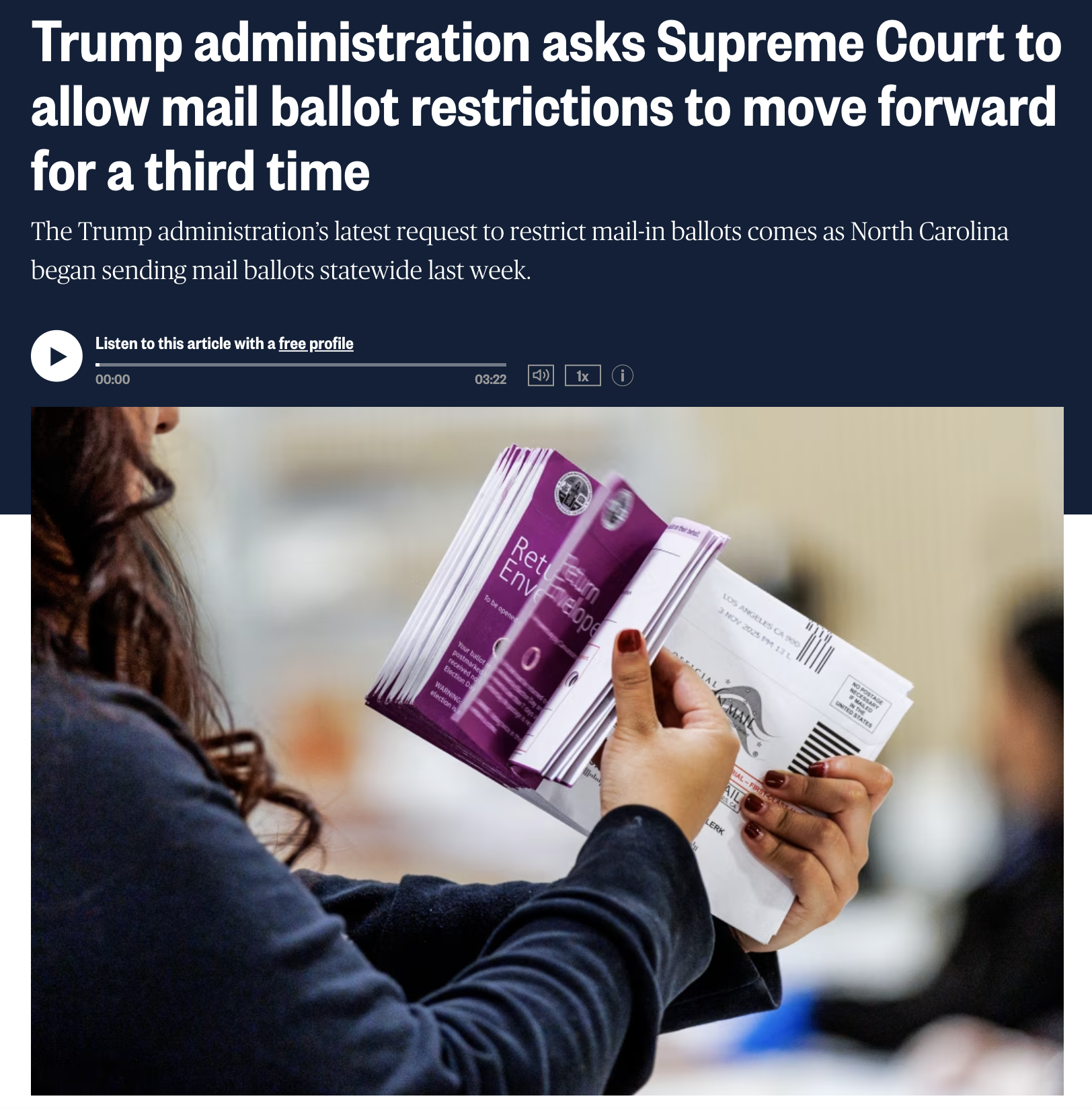
(via NBC News, click here to read full article)
This weekend, the Trump administration asked the Supreme Court to temporarily allow the U.S. Postal Service to exert restrictions to access to voting by mail in the upcoming midterm elections, only two days after a federal judge blocked the USPS from doing so.
Per NBC News, “It’s the third time the Trump administration has escalated this matter to the Supreme Court, as North Carolina last week became the first state to begin sending mail-in ballots to voters less than 60 days before the midterm elections.”
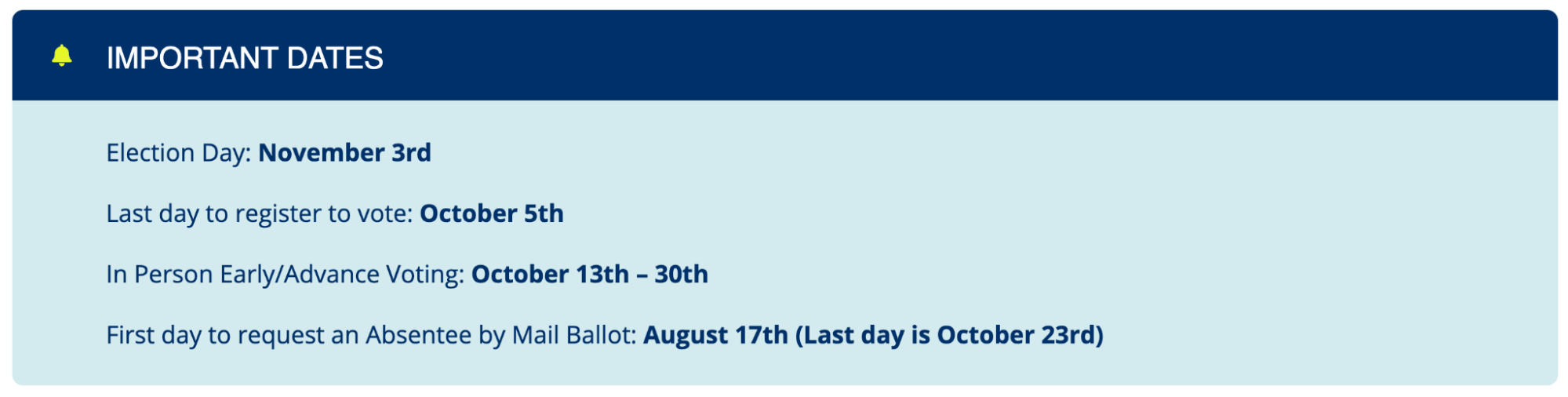
Here in Georgia, the first day for county registrars to start mailing out absentee ballots is October 5th, which is also the last day to register to vote in the general election. Early in-person voting in Georgia starts October 13th, and Election Day is November 3rd.
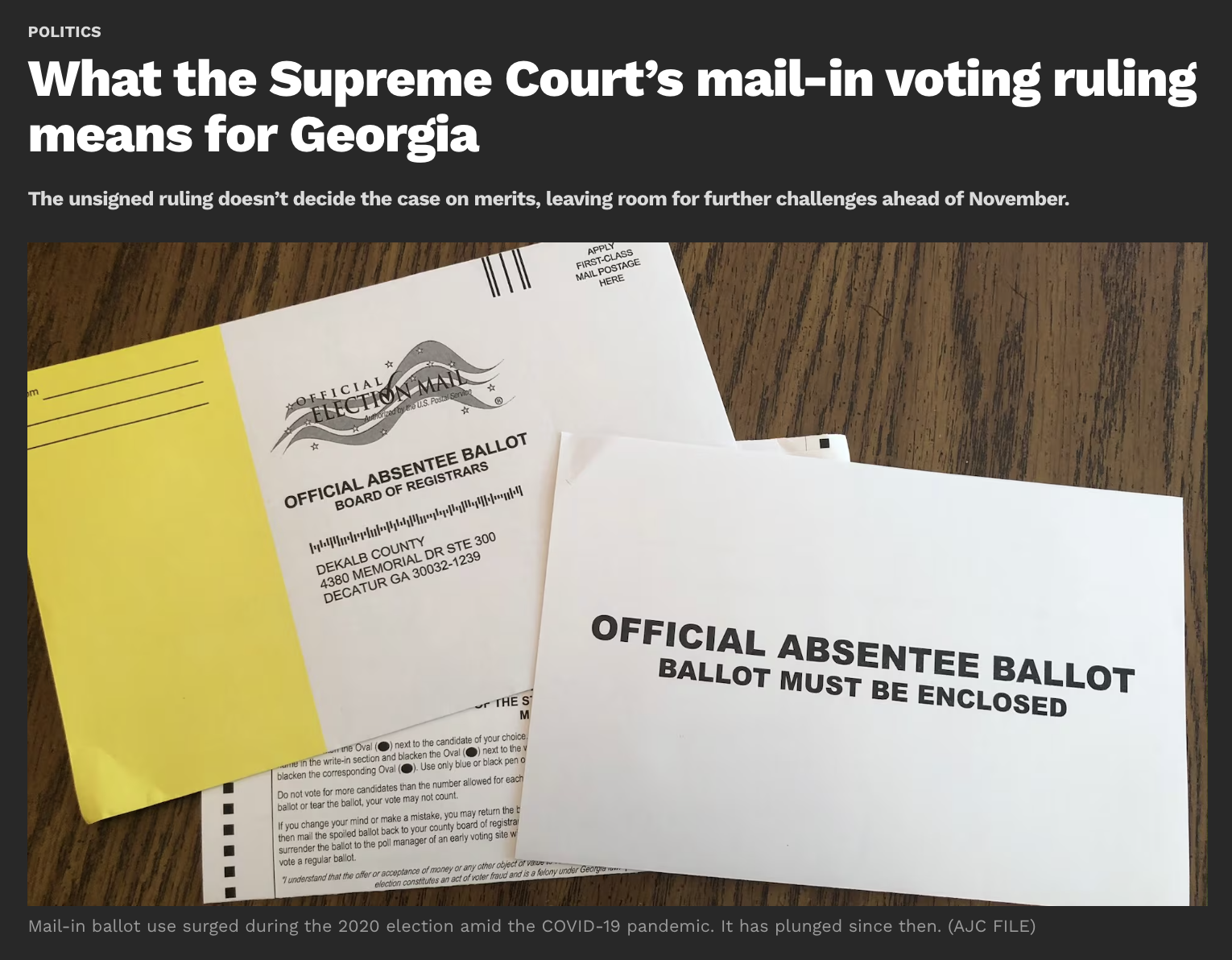
(Via the Atlanta Journal-Constitution, click here to read full article)
In order to discuss this issue and understand how it would impact voting not just in Georgia, but nationwide, let’s analyze what President Trump’s Executive Order actually says. (Credit to the crosspartisan political reform group Issue One, which has shared an excellent explainer.)
DHS Creation of State Citizenship Lists
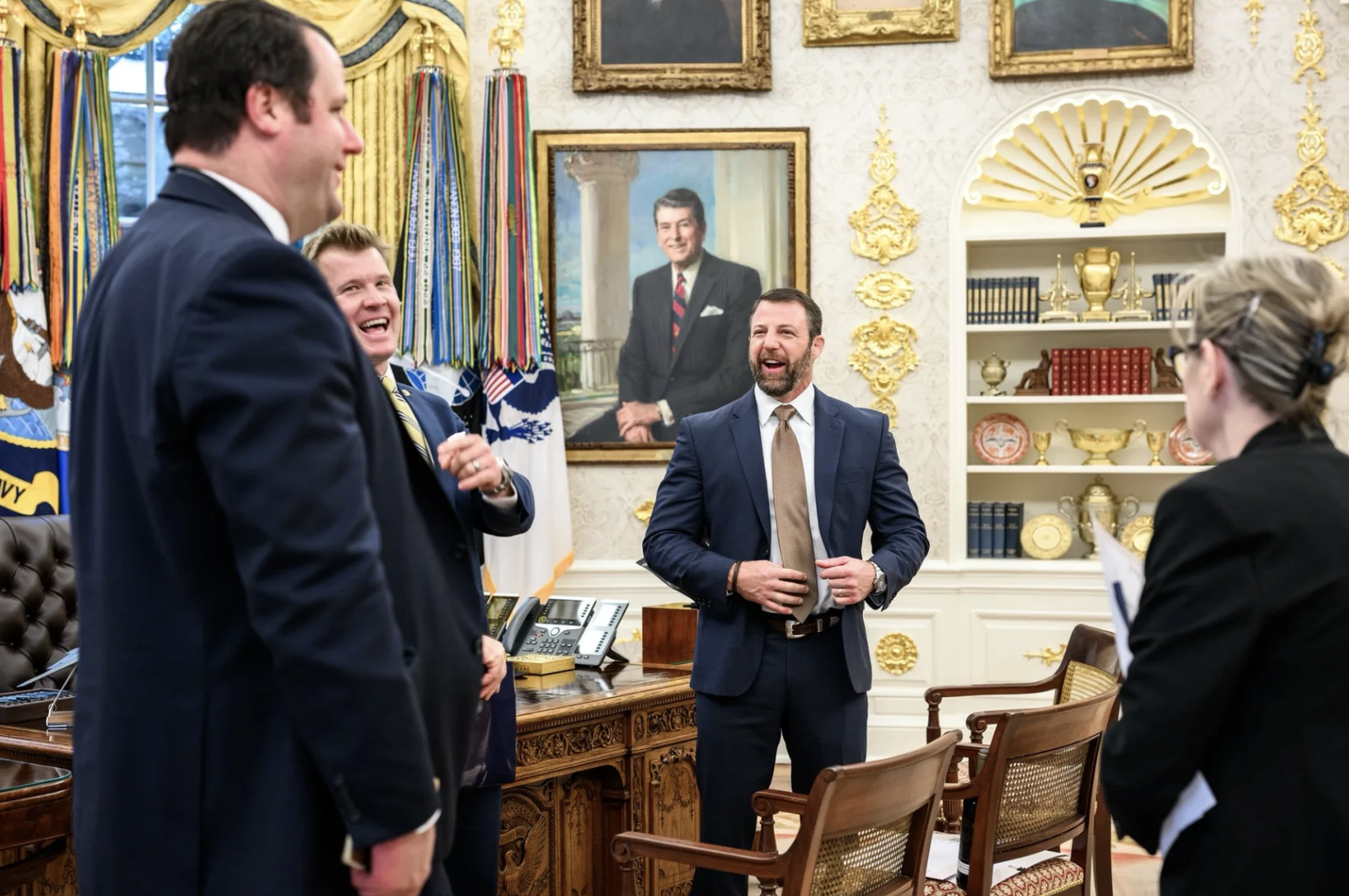
(Photo credit: Molly Riley / White House)
The executive order directs the Department of Homeland Security to compile a federal list of individuals confirmed to be U.S. citizens and deemed eligible to vote in each state. This list would be shared with states to identify who is eligible to vote in federal elections, but being on the list does not mean someone is registered. They would still need to register under state law. This would create a parallel federal eligibility infrastructure on top of existing state voter rolls.
Why is this concerning?
- Inaccuracy and risk of errors that disenfranchise voters: The databases that DHS would rely on to compile this list, including the SAVE system, are known to contain outdated and incorrect data, meaning that eligible citizens could be mistakenly flagged as noncitizens or ineligible. These systems were not designed for voter eligibility determinations and often lack complete or up-to-date information. As seen in multiple states already, relying on these systems at scale increases the risk of errors that could prevent eligible voters from registering or casting a ballot.
- Privacy concerns: This provision would centralize sensitive personal data within executive branch-controlled lists, raising significant privacy risks and potentially violating states’ privacy laws. States have already pushed back for months on demands from the DOJ to share private voter information, despite the DOJ filing lawsuits against 29 states. Building a national database of this kind increases the risk of misuse, exposure, or unauthorized access to voter data.
- Centralization of control: The order shifts influence over voter eligibility from state and local election officials—who are known to and generally trusted by voters—to federal agencies and political appointees in Washington. This represents a major departure from the long-standing system in which states administer elections and determine voter eligibility under their own laws. This provision also likely contradicts Article I of the U.S. Constitution, which gives election authority to the states, not the executive branch.
New USPS Rules and Processes for Mail-in Ballots
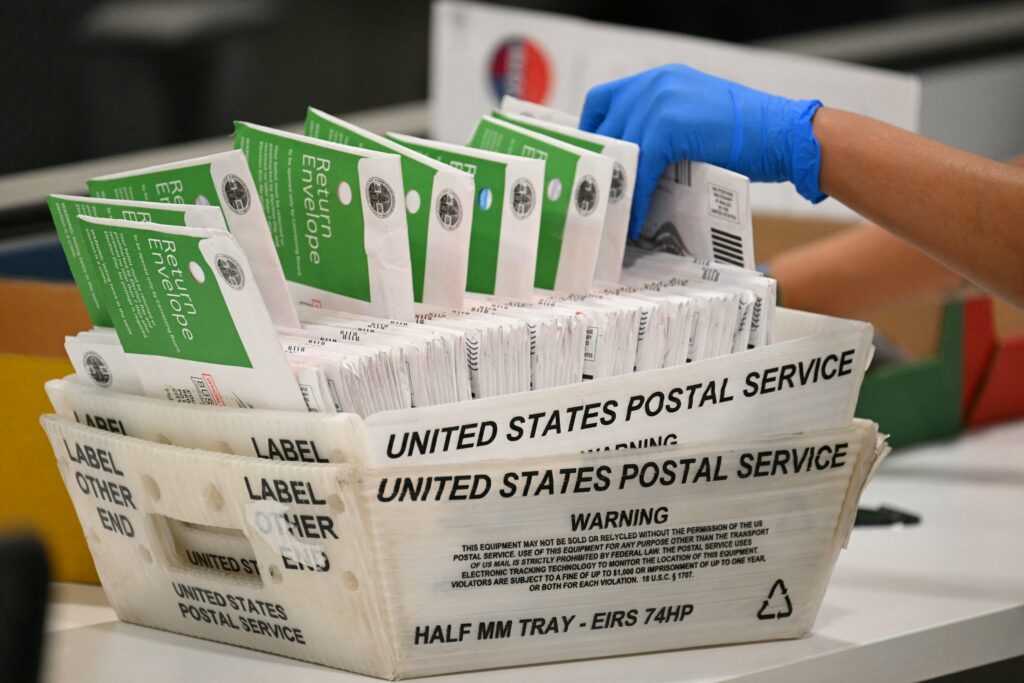
(Photo credit: Patrick T. Fallon / AFP via Getty Images)
The order directs the United States Postal Service to create new rules for mail-in and absentee ballots. States would need to submit to USPS a list of eligible voters whom the state intends to provide a mail-in ballot by 60 days before the election. USPS would only send or receive ballots for voters on those state-provided lists, and it would provide each state with a corresponding participation list with unique ballot identifiers. States could update or suggest modifications to these lists before the election.
Why is this concerning?
- Requiring ballots to go to pre-approved mail-in voter lists (60 days before election day) creates an earlier federal cutoff that could block eligible voters who register or request ballots under their state’s normal deadlines. While states may update these lists, the order provides no clarity on how those updates would work in practice. As a result, voters who move, register closer to election day, change their name, or are mistakenly left off the list may be blocked from receiving a ballot by mail.
- The order would shift control over key parts of the election process from states to a federal body, USPS, undermining state authority over elections and bypassing Congress, which has primary authority to set postal policy. It would create a parallel federal eligibility infrastructure on top of existing state voter rolls.
- The order also puts new responsibilities on USPS, which the Postmaster General has recently warned is running out of money, creating an unfunded mandate on the Postal Service to manage ballots and coordinate with states under tight deadlines. ‘
- Requiring states and local jurisdictions to create and maintain these voter lists, along with the tracking code requirements, adds a major administrative burden without extra funding, training, or time.
Implementation of the Order
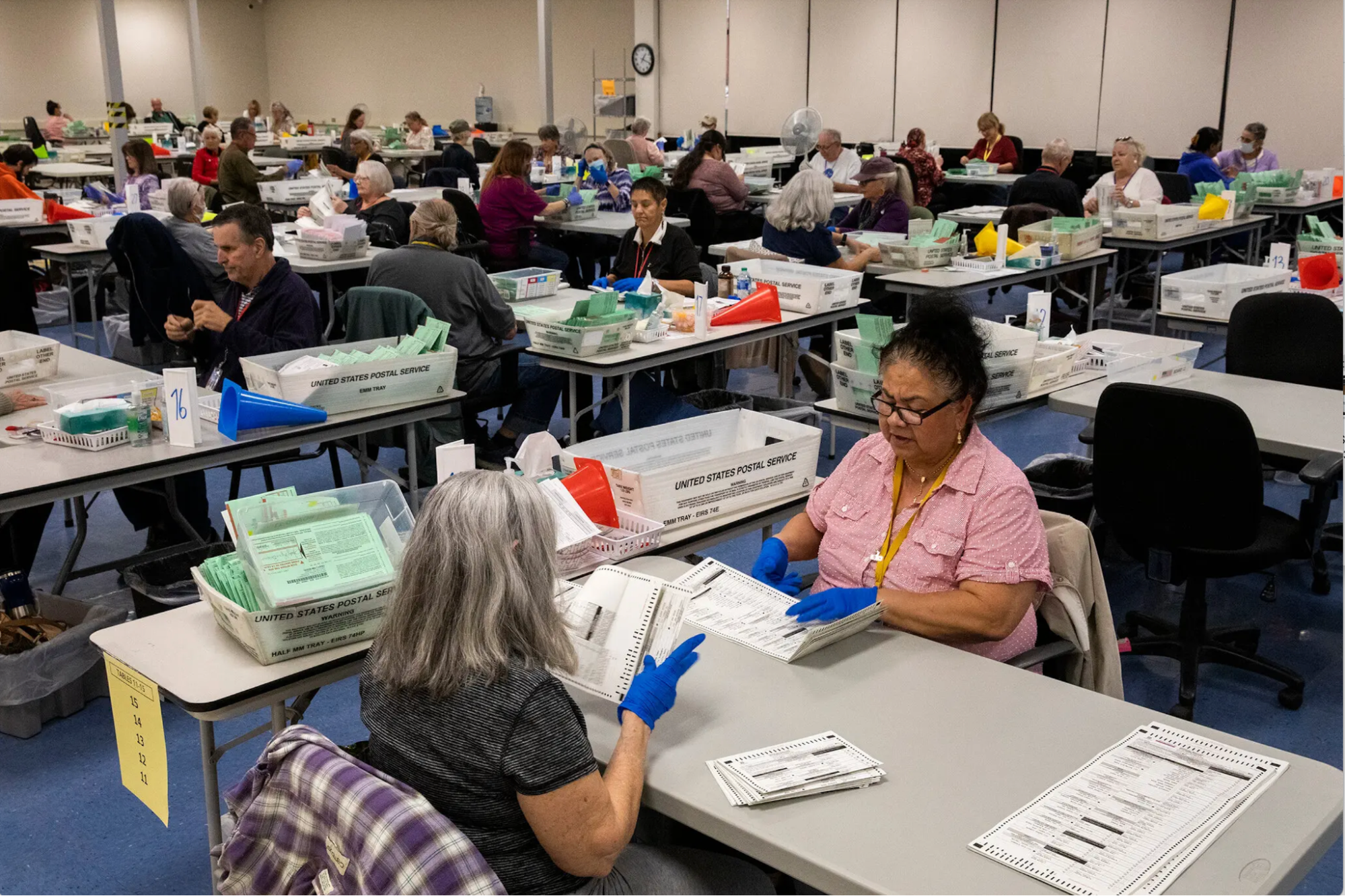
(Photo credit: Alisha Jucevic for The New York Times)
This section sets up the coordination framework for carrying out the Executive Order, including direct coordination between the DHS Secretary, Social Security Administration Commissioner, Postmaster General, and the Secretary of Commerce. It instructs the DHS Secretary to establish the necessary infrastructure to compile, maintain and transmit the federal State Citizenship Lists within 90 days of this order, and directs the Attorney General to begin issuing guidance on compliance.
Why is this concerning?
- The implementation timelines for the Executive Order place unrealistic standards and expectations. Building new federal eligibility databases, creating new USPS tracking infrastructure, and requiring states to integrate these systems cannot be accomplished effectively and accurately without significant time, funding, and coordination, which the order does not provide.
- Election administrators, who work on tight budgets and timelines with primary elections already underway, would be left with no additional support or funding.
- Introducing new federal requirements that conflict with state laws and practices and that do not provide adequate time risks creating administrative chaos heading into the 2026 midterms.
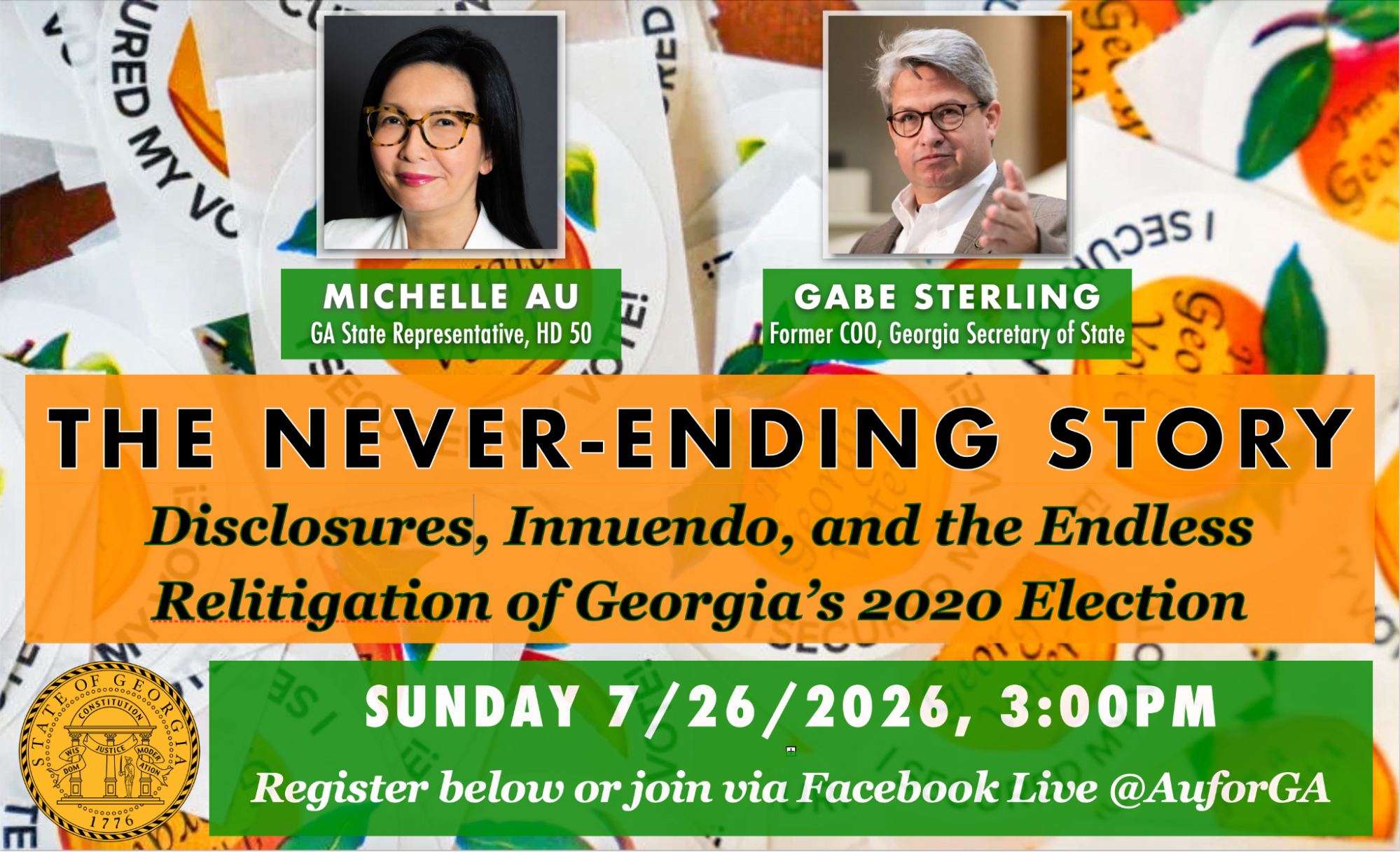
At the end of July I held a legislative town hall with former Chief Operating Officer of the Georgia Secretary of State Gabriel Sterling in which he discussed how these challenges in carrying out the executive branch’s orders would only sow more disorder and mistrust in the electoral system, particularly ahead of a critical midterm year general election. You can watch the entire livestream of our town hall here.

Enforcement – Criminal Penalties for Election Officials
(Click here to read full article)
The order directs the Attorney General and other federal agencies to address noncompliance, including investigation, prosecution, and withholding federal funds from noncompliant states or localities. It also directs the Attorney General to prioritize investigating and potentially prosecuting election officials who provide federal ballots to individuals the federal government considers ineligible to vote, by virtue of their citizenship status or age.
Why is this concerning?
- By threatening the possibility of criminal prosecution, election administrators face an additional level of scrutiny, fear, and risk when making routine eligibility determinations.
- Given that the DHS voter eligibility lists the Executive Order relies on would contain inaccuracies, officials could be prosecuted for correctly following the law while providing a ballot to a voter that the federal list incorrectly flags. This provision hands the executive branch a powerful instrument for partisan pressure and a tool for intimidation in key jurisdictions.
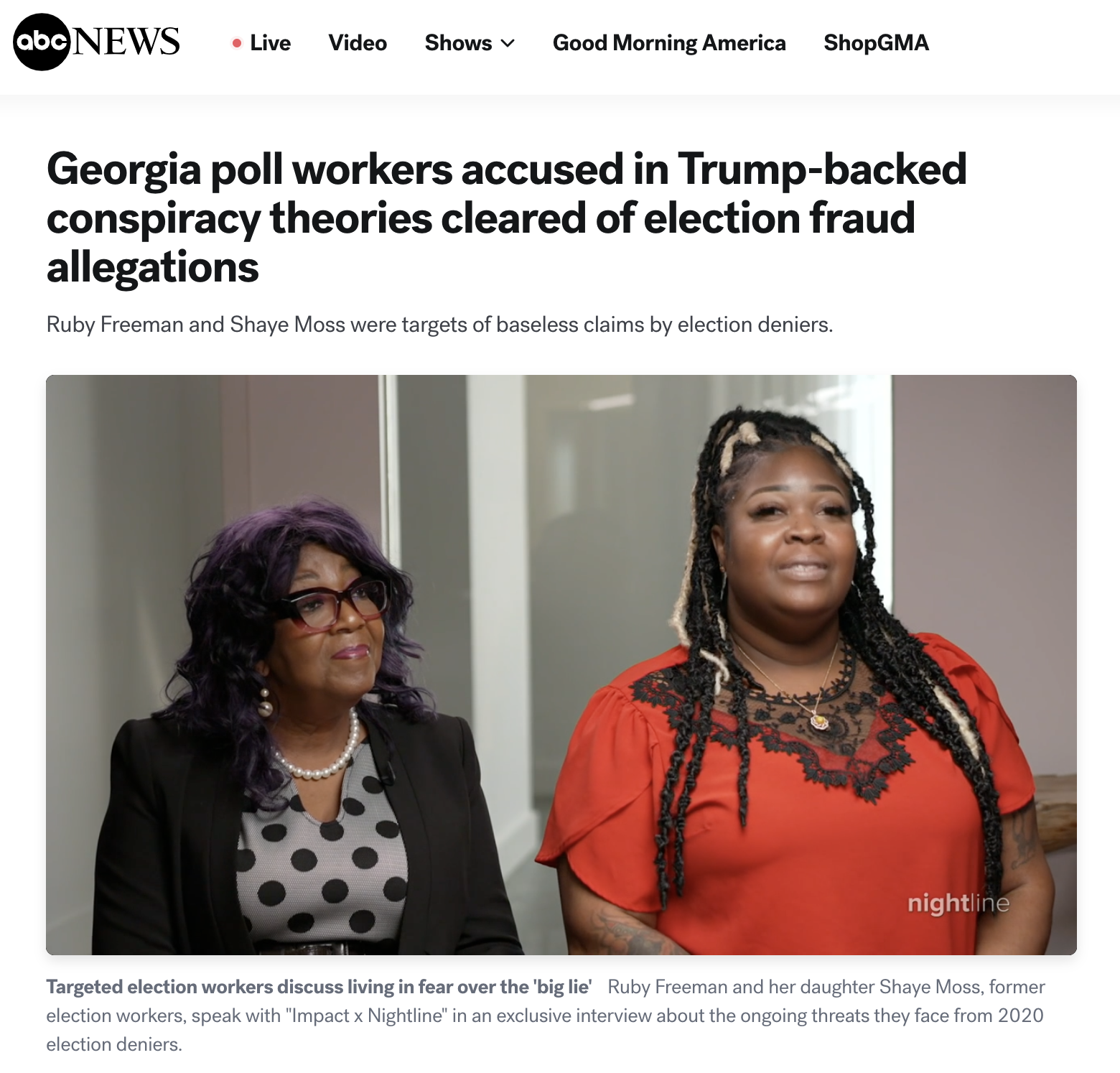
- Officials who fear being targeted may decide that the risk of prosecution outweighs their role in the community, leaving their positions as a result. This provision could contribute to the high turnover rate among election officials that has accelerated since 2020 as a result of the heightened stress, intimidation, and harassment. Here in Georgia, we only need to look to the case of Ruby Freeman and Shaye Moss, who were targets of baseless claims by election deniers.
(Via the Atlanta Journal-Constitution, click here to read full article)
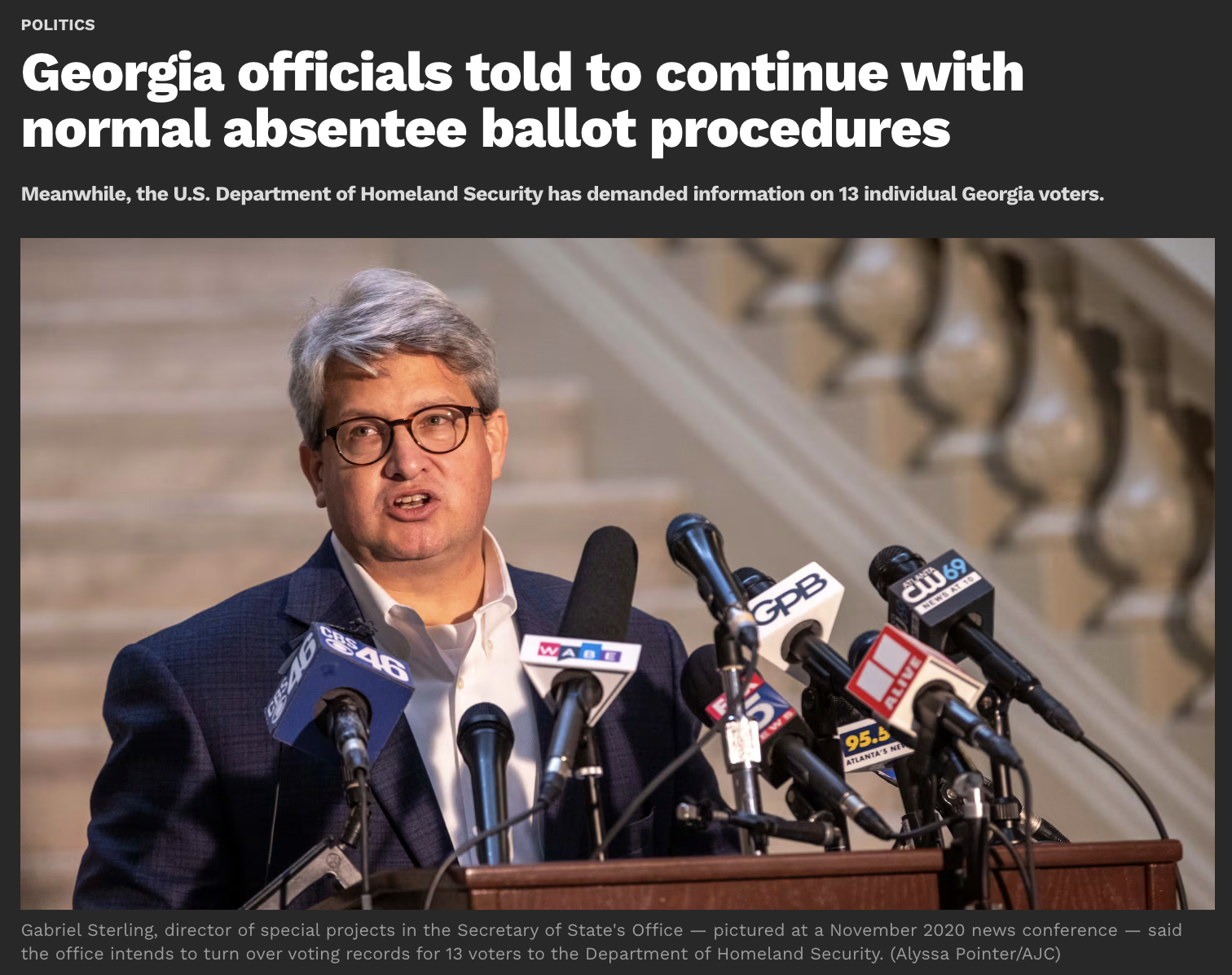
For now, procedures around mail-in ballots in Georgia remain unchanged. Per reporting by the AJC:
“The Georgia Secretary of State’s Office is advising county election officials to continue existing procedures for absentee voting.
‘We recognize that the ongoing litigation may create uncertainty, but we encourage counties to remain focused on current election preparations and not allow speculation about potential future changes to disrupt existing processes,’ according to a memo sent to county officials last week. ‘Our office will continue monitoring developments and will provide clear guidance if any change becomes necessary.’”
My personal recommendation for the upcoming election is to take advantage of the three weeks of early voting, and to vote in person. Early in person voting starts Tuesday October 13th, and continues until October 30th, the Friday prior to Election Day.
(Image source: Georgia Secretary of State)
The last day to register to vote for the 2026 General Election is October 5th. Register to vote here, or check your voter registration here.
BLUE RIBBON STUDY COMMITTEE ON YOUTH EXPOSURE TO KRATOM AND RETAIL-AVAILABLE SUBSTANCES
(Via WSPA News, watch full video here)
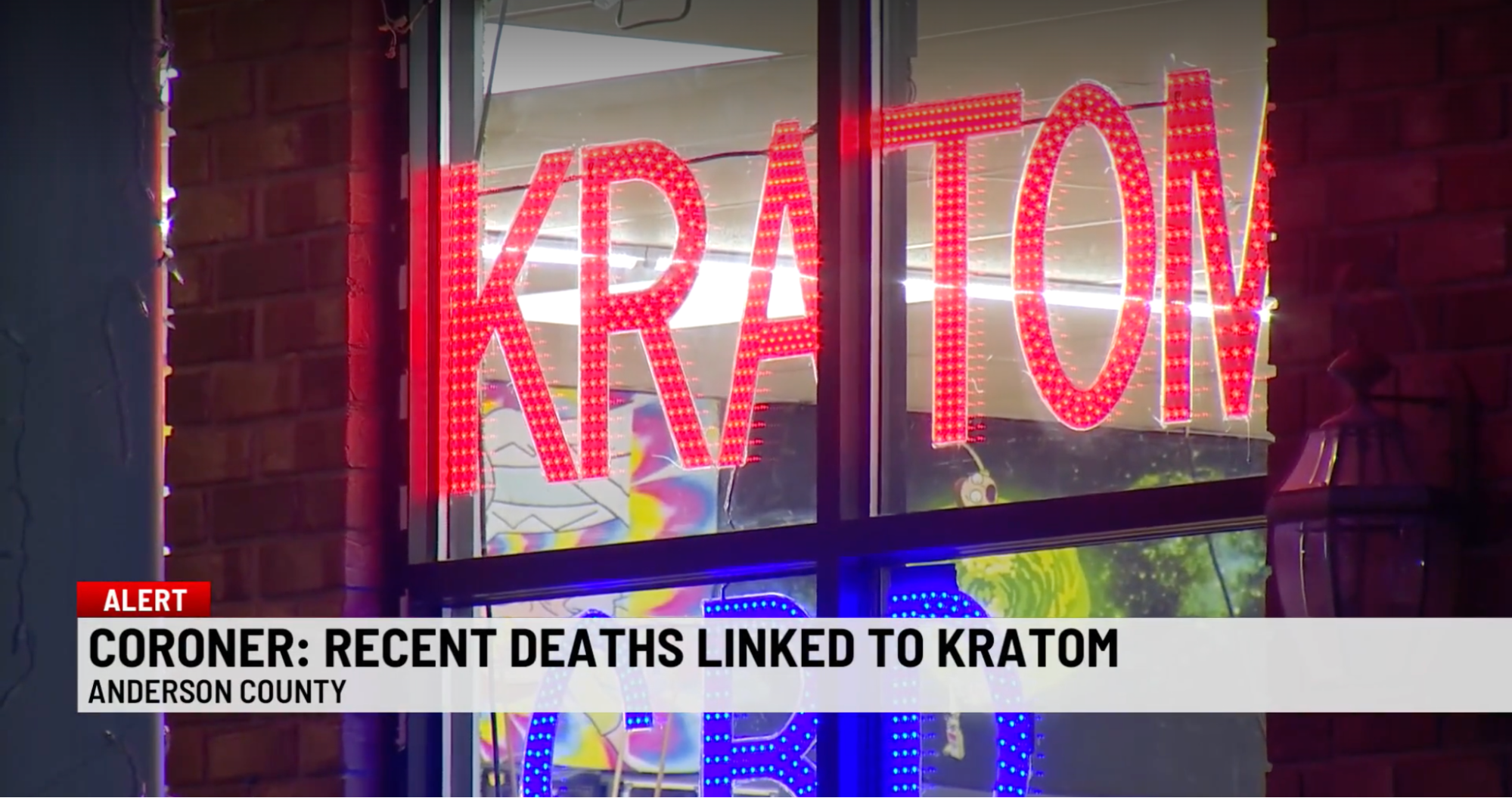
I was pleased to be able to join the second meeting of the Blue Ribbon Study Committee on Youth Exposure to Kratom and Retail-Available Substances on August 21st, which is examining the largely unregulated market of products with potential for significant public harm. While I could not make it in-person to the meeting in Brunswick I was grateful to Chairman Townsend for allowing me to join via Zoom, where I was able to hear all the testimony and ask questions.
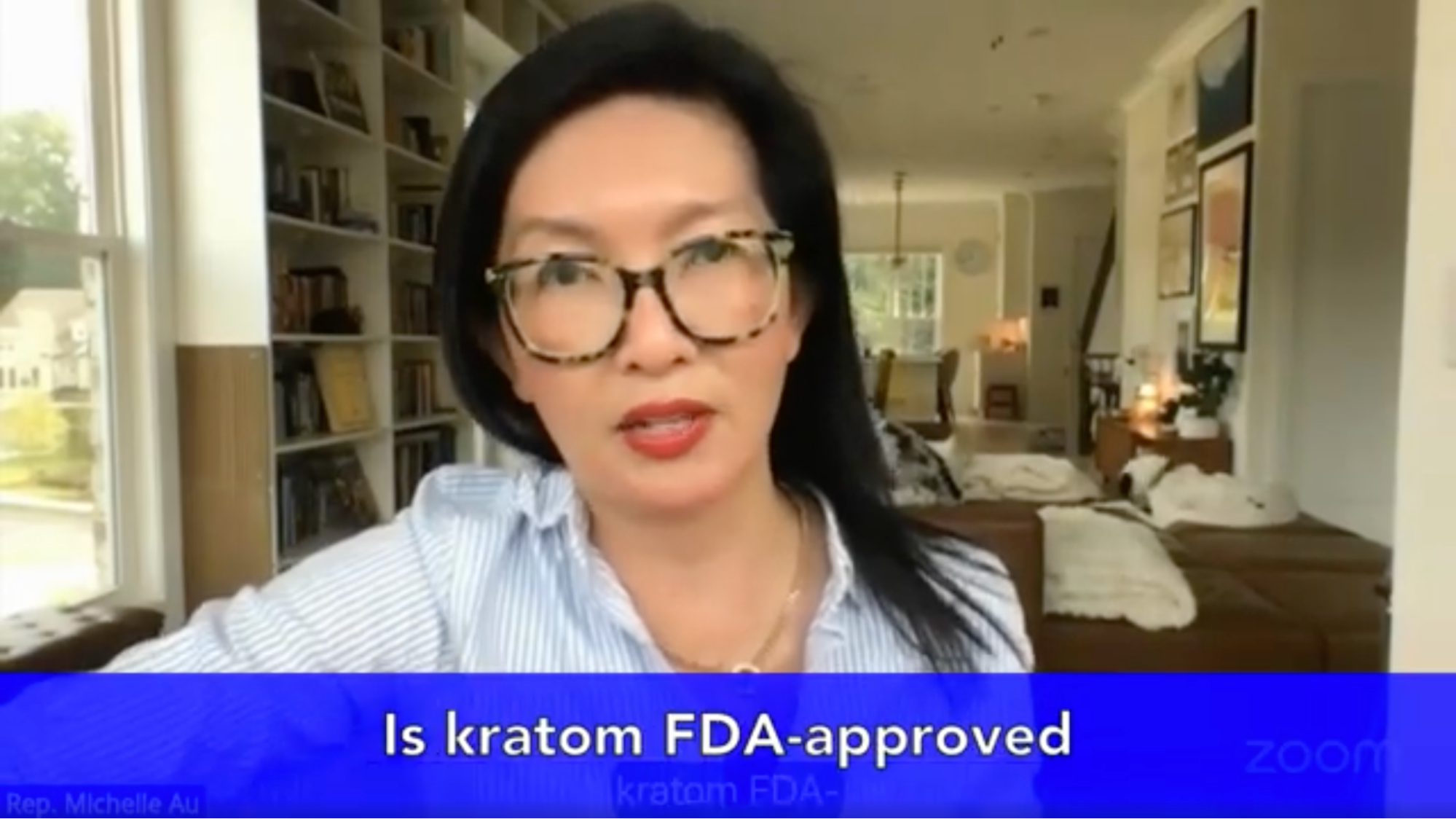
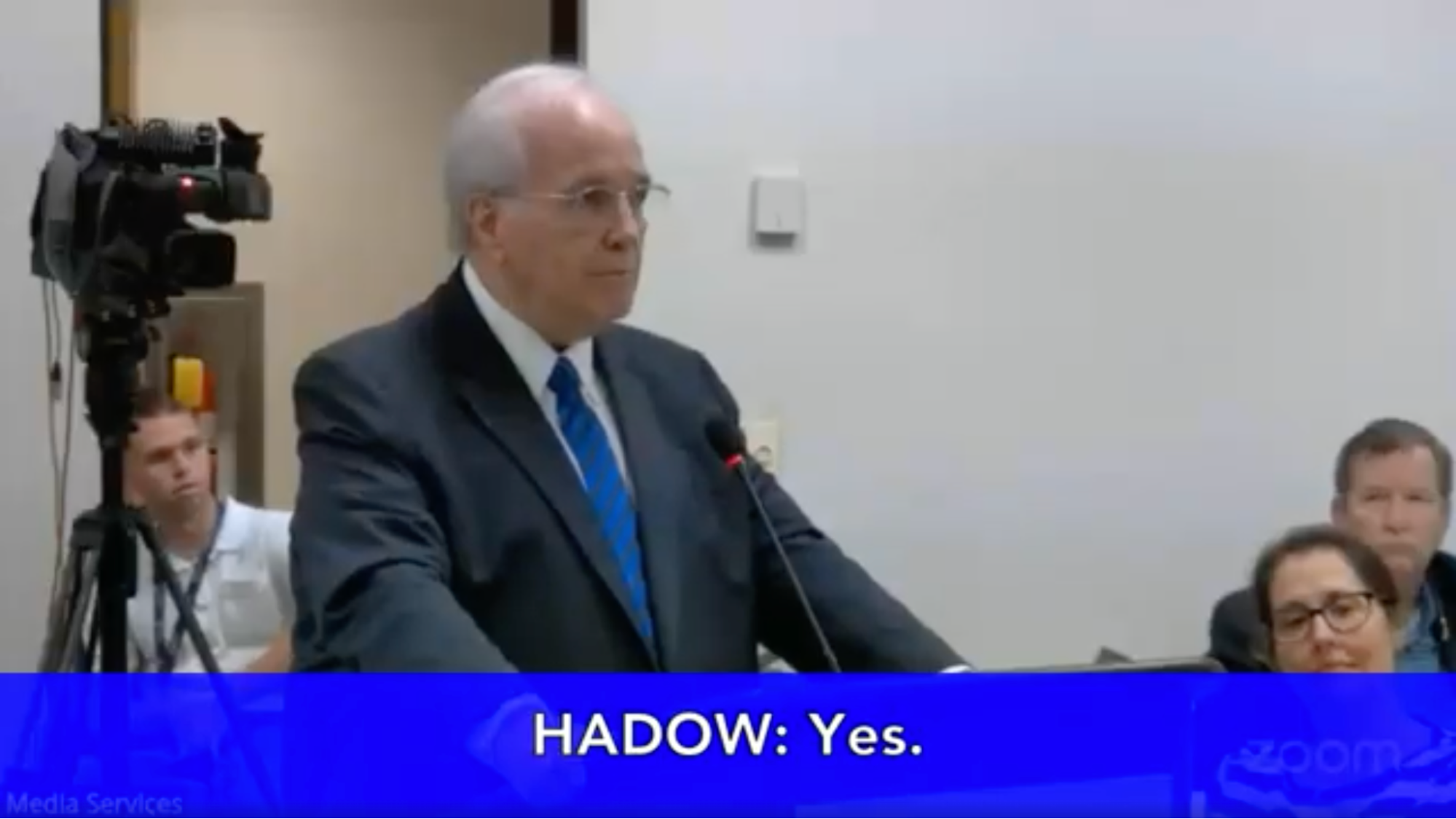
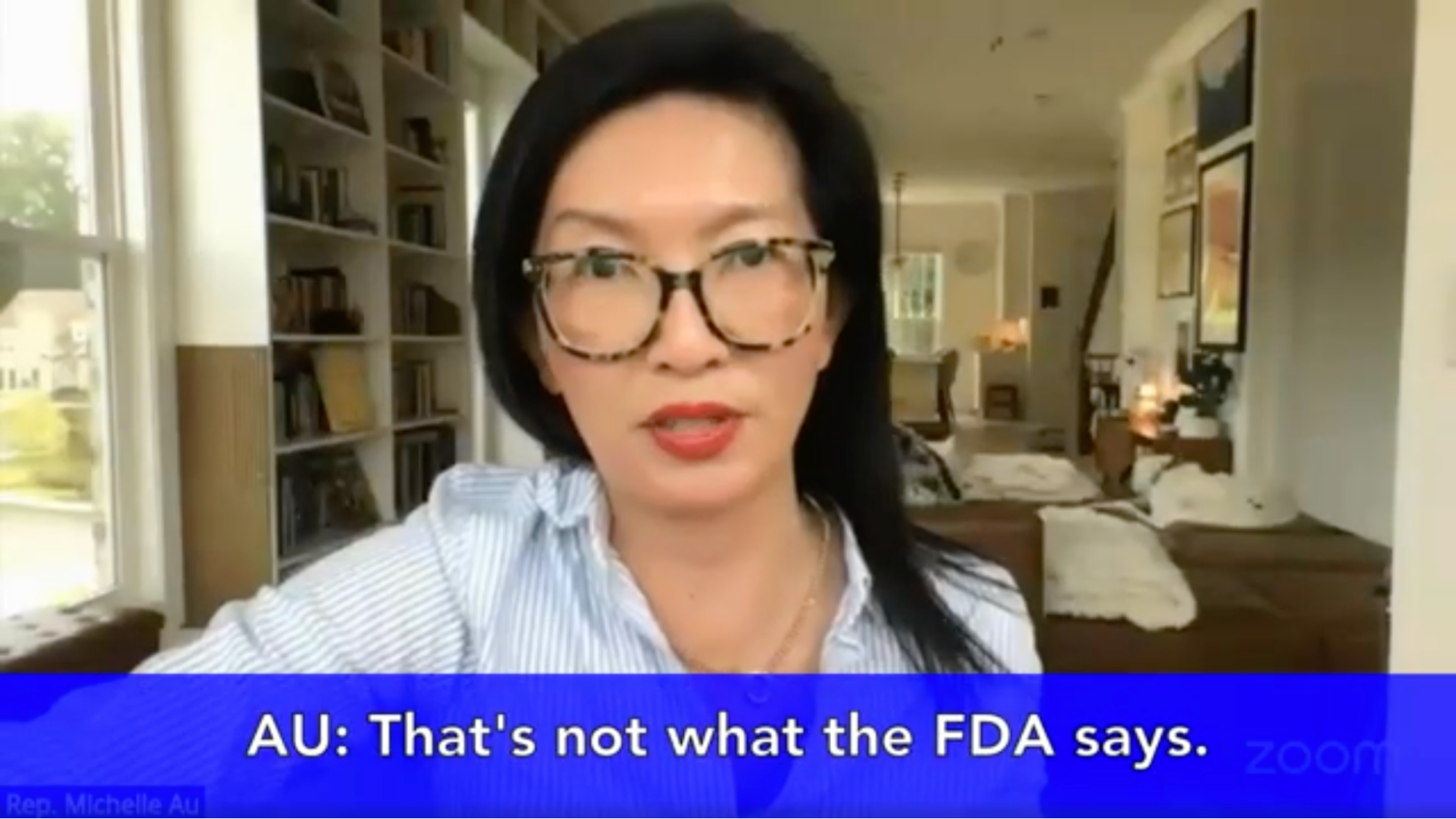
One particularly interesting part of the meeting was my conversation with Mac Haddow, the lead lobbyist for the American Kratom Association, an industry-funded organization which has been fighting across the country against further meaningful regulation on kratom sales, even as evidence mounts that these substances pose harm to users.
(Watch full clip of questioning here)
Among the more…creative…assertions that Mr. Haddow made in committee were insisting that kratom was an FDA-approved substance (it is not), that 7-hydroxymitragynine, which has action at the opioid receptor, is not a metabolite of kratom (it does, and it is), and accusations of trickery when I asked whether substances with clinically significant action at the opioid receptor (AKA…opioids) should be sold at gas stations.
The full video of our exchange can be watched here, and the full livestream of the study committee meeting is archived here. The next meeting of this study committee will be Friday, September 25th, and I plan to attend in person. Thank you so much to Chairman Townsend for accommodating my remote attendance, and to the College of Coastal Georgia for hosting us!
PUBLIC SAFETY TOWN HALL

Last month we had the pleasure of hosting a legislative town hall with the Police Chief of Johns Creek, Mark Mitchell. I’m proud to note that Johns Creek has been named the #1 Safest Place in the U.S. (yes, in the entire country!) by U.S. News and World Report, which fits nicely with the designation of being the #1 Best Place to Live in Georgia.
In our broad-ranging discussion, Chief Mitchell and I discussed public safety, school security, the use of public cameras and privacy concerns, and the culture of leadership that has led Johns Creek to be the city that families from all over the world come to call home.
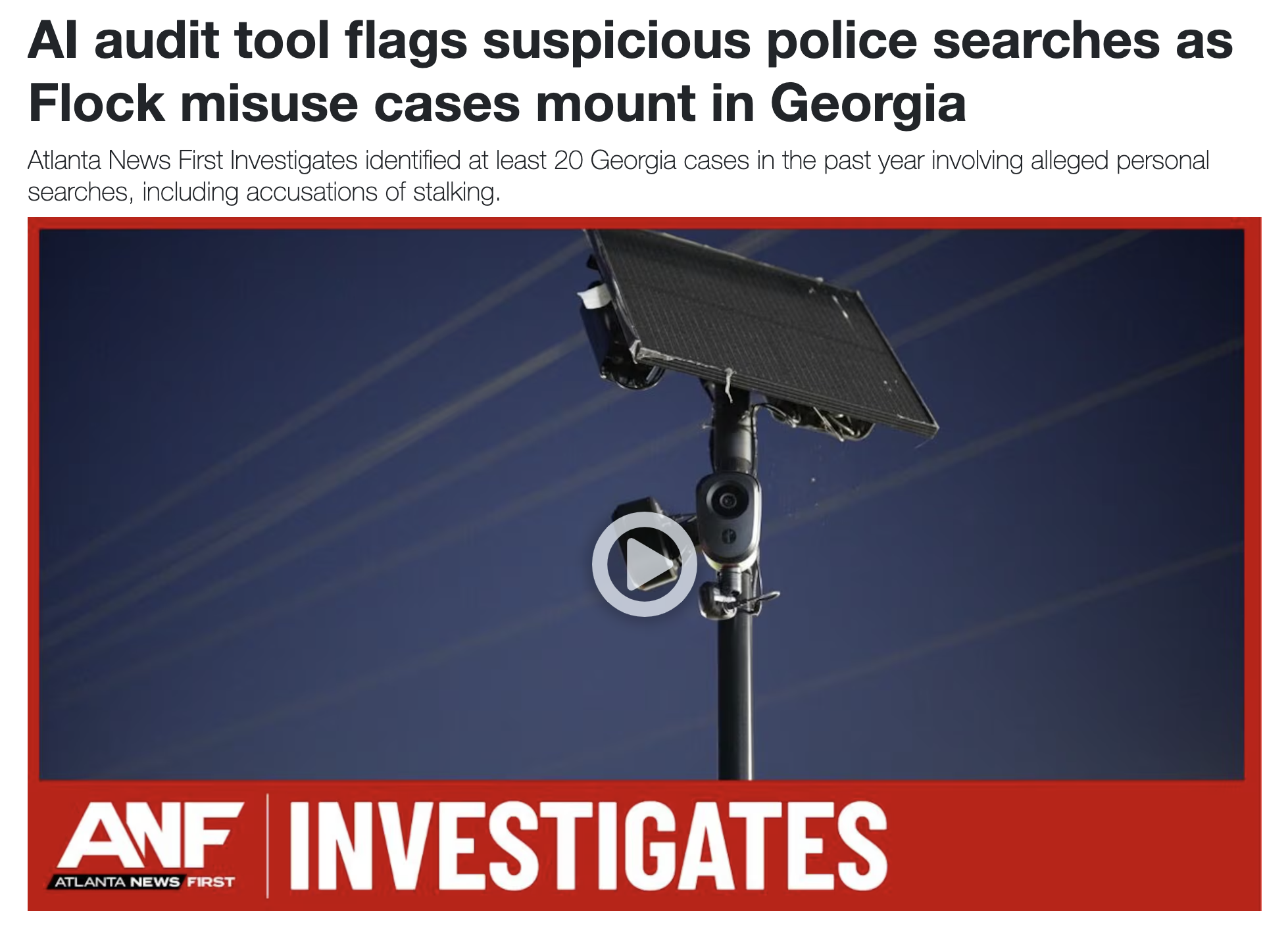
One issue about which my constituents have been emailing me with increasing frequency is Flock cameras, the use of which has become increasingly controversial. These cameras are automated license-plate readers that photograph passing vehicles and record license plates along with information such as vehicle characteristics, time, and location. Police can then search that information to identify or locate vehicles. The core debate is not so much whether the cameras can help solve crimes, but how much location information should be collected, who should be able to search it, and what safeguards should exist against misuse.
(Via Atlanta News First, click here to read full article)
Below, a clip of the discussion around Flock cameras and surveillance. Per Chief Mitchell: “I’m just going to be frank and honest…if officers are misusing the information, they ought to be arrested, and they ought to be fired.”
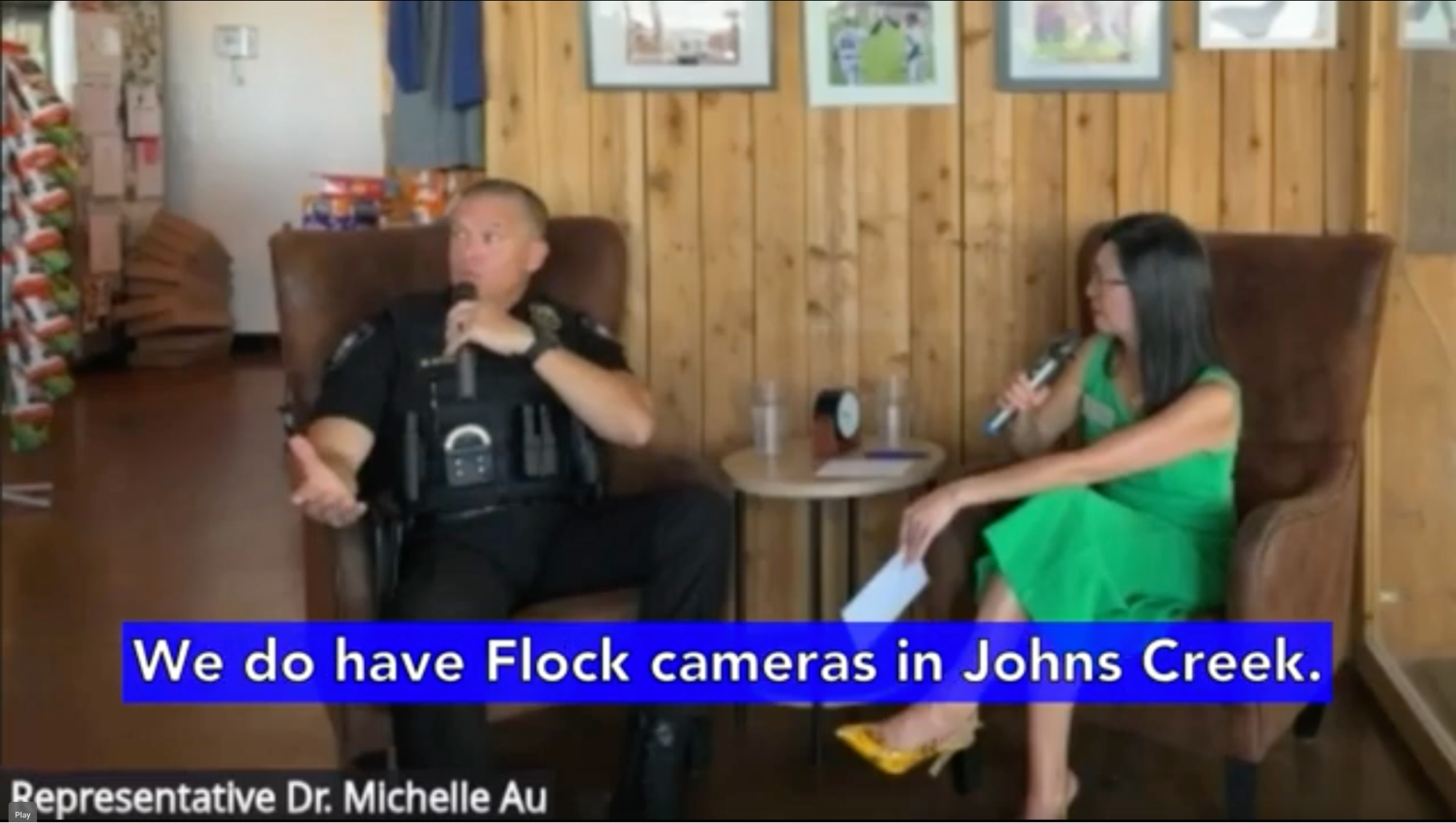
The full livestream of our Legislative Town Hall with Chief Mitchell can be watched here. Thank you for all you do to keep our community safe!
TWO YEAR COMMEMORATION OF THE SHOOTING AT APALACHEE HIGH SCHOOL
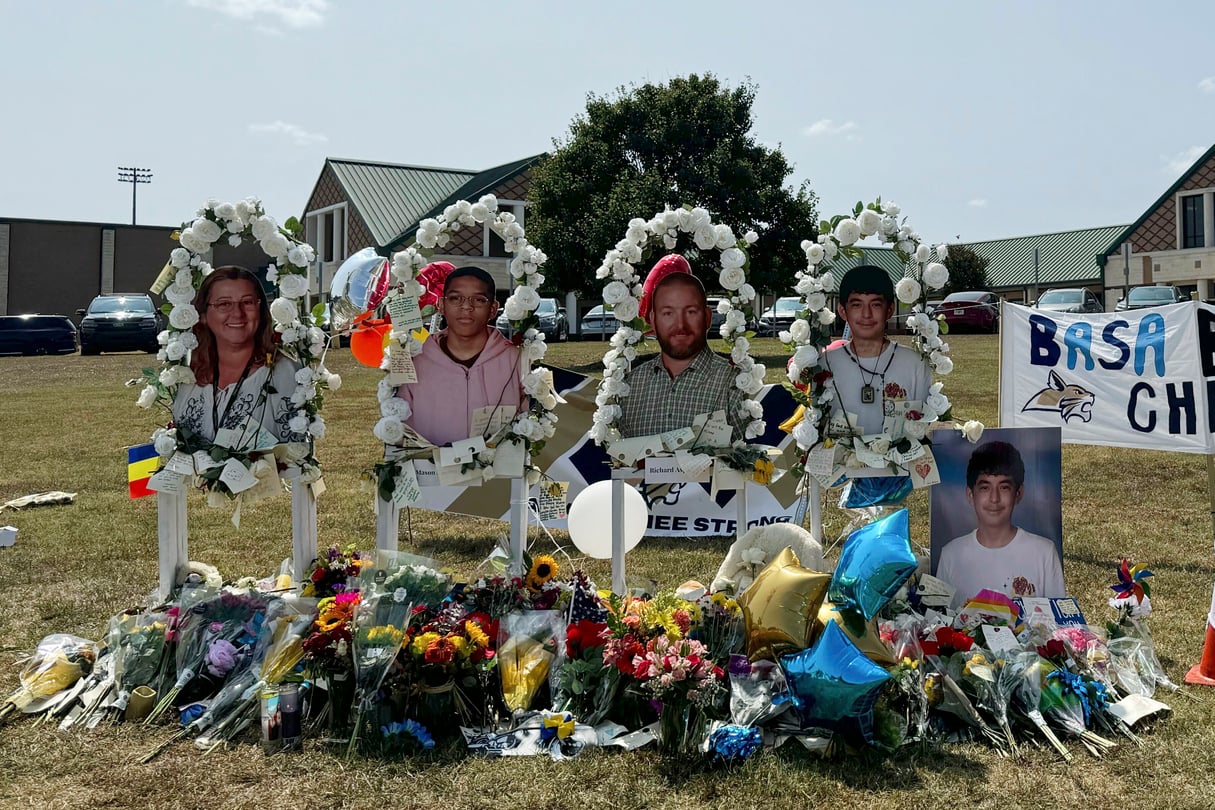
(Photo credit: Charlotte Kramon / AP Photo)
September 4th marked two years since the shooting at Apalachee High School in Barrow County, the deadliest school shooting in Georgia’s history. The shooter, who was 14 years old at the time, has been sentenced to life in prison without parole. Meanwhile, his father was found guilty of murder and manslaughter charges in March for purchasing his son the rifle as a Christmas gift and leaving it unsecured in their house, despite warnings that his son was a danger to others.
The Governor held a ceremony at the Capitol on the date of the two year commemoration, issuing a proclamation marking September 4th, 2026 Apalachee Remembrance Day while largely staying away from any policy discussion on how to prevent the next such tragedy.
While I hope the Governor’s proclamation brings the community some comfort, we have abdicated our responsibility as leaders by not directly addressing the issue of gun violence, or asked how we could have prevented a 14 year old shooter from accessing the gun in the first place.
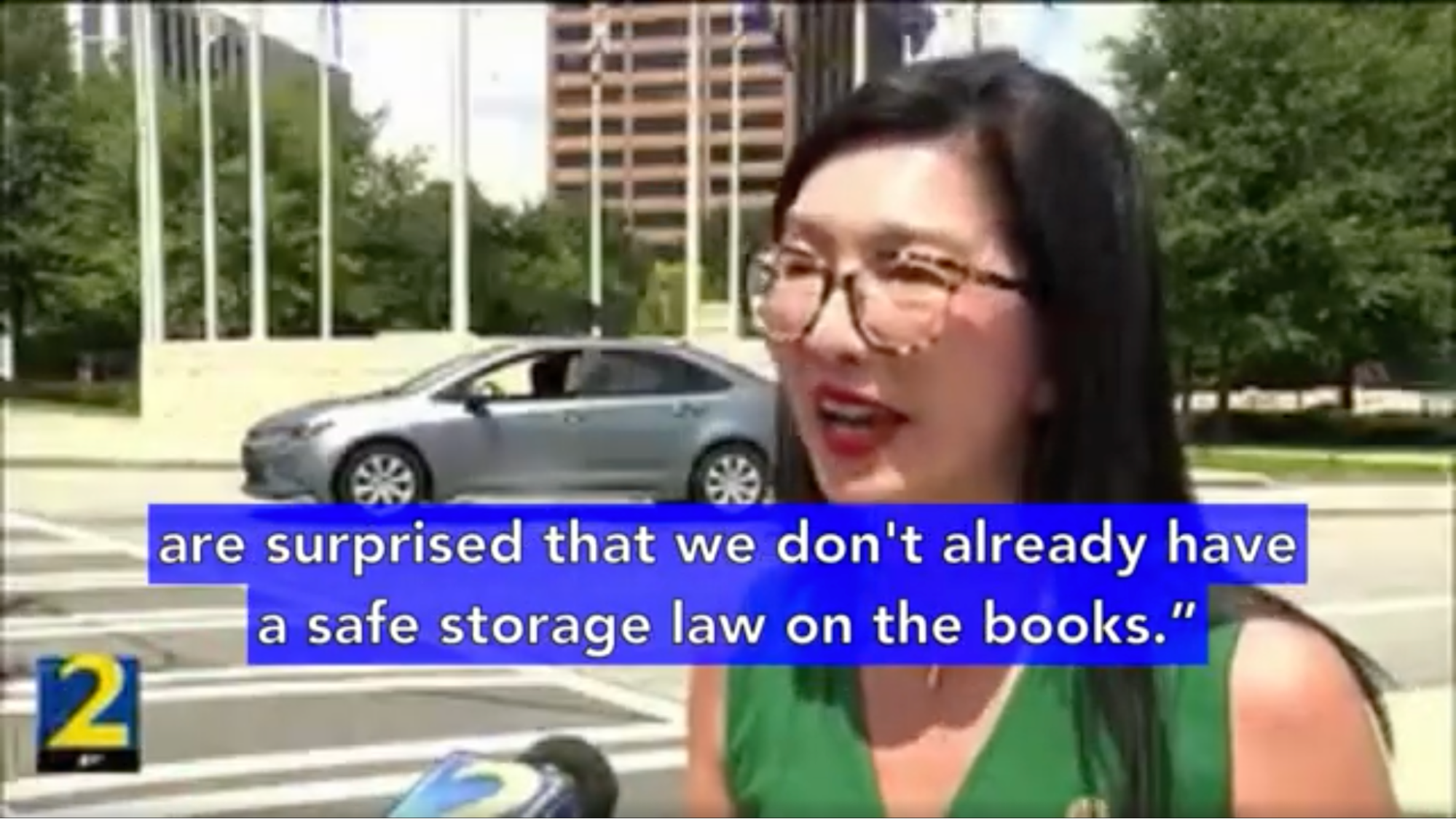
(Via WSB-TV, watch full news segment here)
Luckily we will have new leadership next year at every level of government. Voters have the opportunity to decide who sits in those seats, based on the candidates’ action, or lack thereof, on meaningful gun violence prevention.
Thoughts and prayers alone won’t cut it anymore.
Frankly, they never did.
The Pediatric Health Safe Storage Act and its companion bill, The Safe Storage Tax Credit Act, will be reintroduced next year, and every year, as long as it takes, until these bills receive the fair hearings and votes our communities deserve.
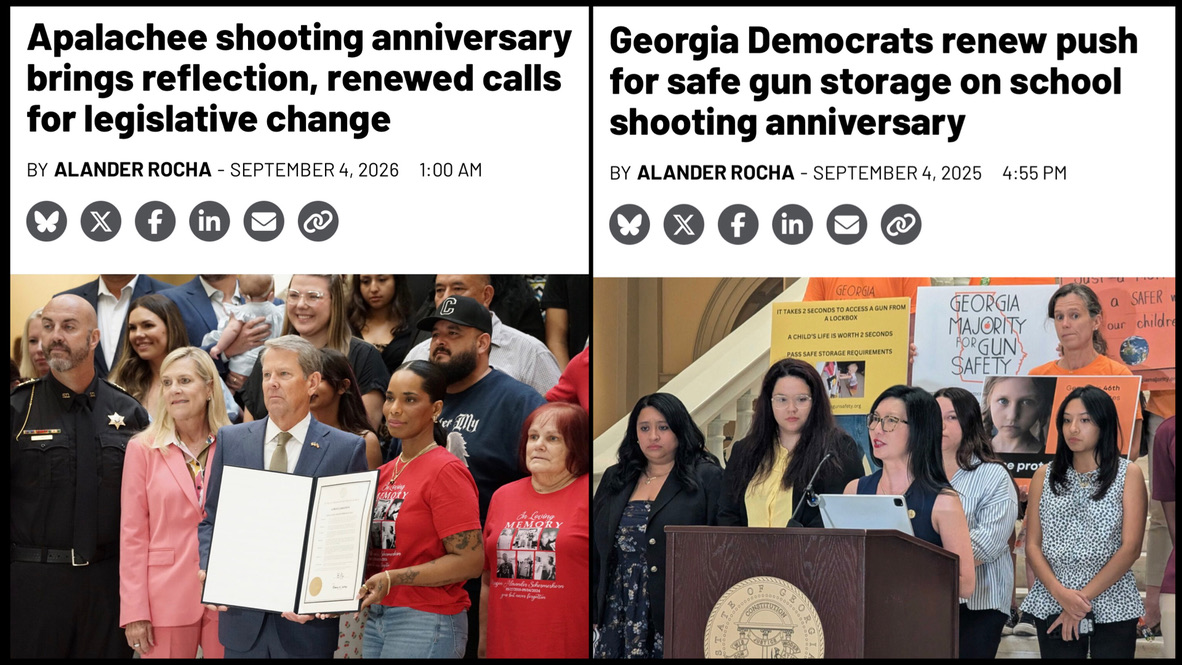
(Via the Georgia Recorder, click below to read reporting on the
THE GEORGIA DIAGNOSIS

Available on Apple, Spotify, or YouTube
Thrilled to announce that we have finished recording the first six episodes of Season 2 of our podcast, THE GEORGIA DIAGNOSIS. This season features many familiar faces who are insiders in Georgia politics, and I can’t wait for everyone to be part of the conversations, frank insights, and behind-the-scenes stories our guests shared!

TEAM AU IN ACTION
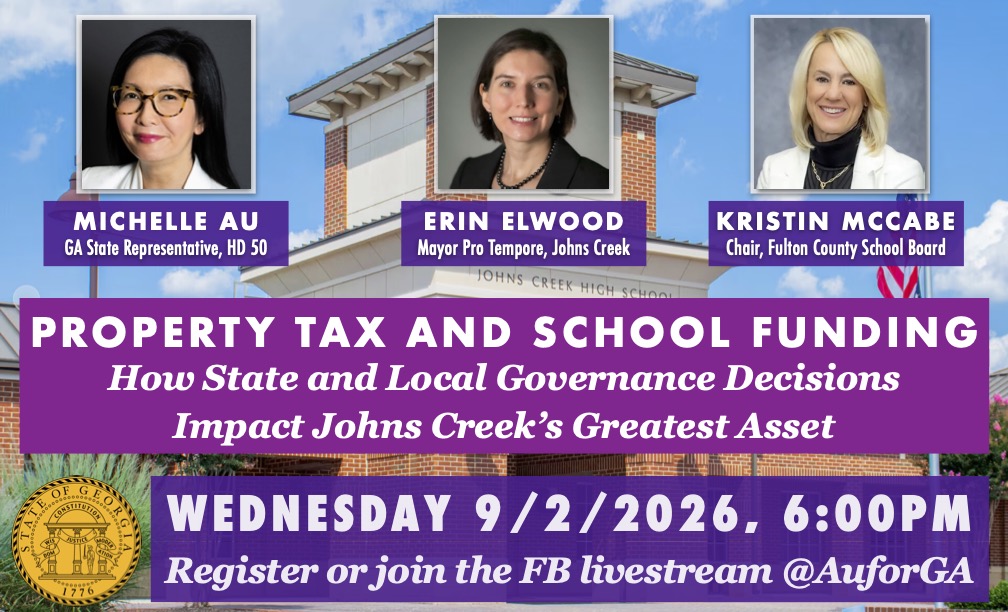
Town Hall on Property Taxes and School Funding
(Click here to watch our full town hall livestream)
The issue of property taxes and affordability were a focal point during this past legislative session. Our Republican majority, intent on bagging an election-friendly win to bring home to voters, proposed a bill to eliminate property taxes across the state of Georgia. While I am open to discussing property tax reform and ways to make home ownership more affordable for the residents of my district, I think it is not just responsible, but imperative, to first discuss what precisely property taxes pay for, and how totally eliminating this stable revenue stream affects funding for police, fire, local services, and most importantly, our schools.
Johns Creek is the #1 Place in America in which to live in no small part because of our top schools, 60% of whose operating budget flows from property taxes. Our designation as the #1 Safest Place in the U.S. in which to live owes to our investment in our police, fire, and other essential services. I was pleased to engage in a robust conversation with Johns Creek Mayor Pro Tempore Erin Elwood and Fulton County School Board Chair Kristin McCabe on these issues, and I am glad that so many of my constituents were able to join, even on a school night.

All archived livestreams of our Spring and Summer Town Hall series can be found here.
Georgia Majority for Gun Safety Bridge Builder Award

Humbled to receive the Bridge Builder Award from Georgia Majority for Gun Safety for my bipartisan work on our flagship bill, The Pediatric Health Safe Storage Act.
Big jobs require coalition building, and particularly for an issue as entrenched as gun safety in Georgia, no one person, and no one party, can do this work alone. I am lucky to have the help of leaders on both sides of the aisle, in particular Rep. Sharon Cooper, my lead co-sponsor on HB 1, who understands that safe storage should not be a partisan issue, but a public health issue. Thank you to Georgia Majority for honoring both of us.
Chinese Business Association of Atlanta Young Adult Job Fair

I was thrilled to welcome the Chinese Business Association of Atlanta, hosting its first annual Young Adult Job Fair, to House District 50!
Chinese Americans play a vital role in Georgia’s economy. As the only Chinese American legislator in the Georgia General Assembly, it is truly my honor to highlight the work, drive, and success our Chinese American neighbors bring into our state. Thank you to CBAA for your role in showing why Georgia is the #1 state in the country in which to do business!
Indian American Cultural Association Festival of India

Always a joy to see so many friends at the Indian American Cultural Association’s Festival of India! This year was bittersweet as we were bidding farewell to our outgoing Consul General of India Ramesh Babu Lakshmanan, who will be continuing his professional life in diplomacy in Côte d’Ivoire.
HD 50 has among the highest number of Indian Americans of any district in the state. On behalf of Georgia’s Asian American Pacific Islander Legislative Caucus I was pleased to be able to present IACA with a resolution congratulating them on their three decades of work. Bravo!
Georgia Society of Anesthesiologists
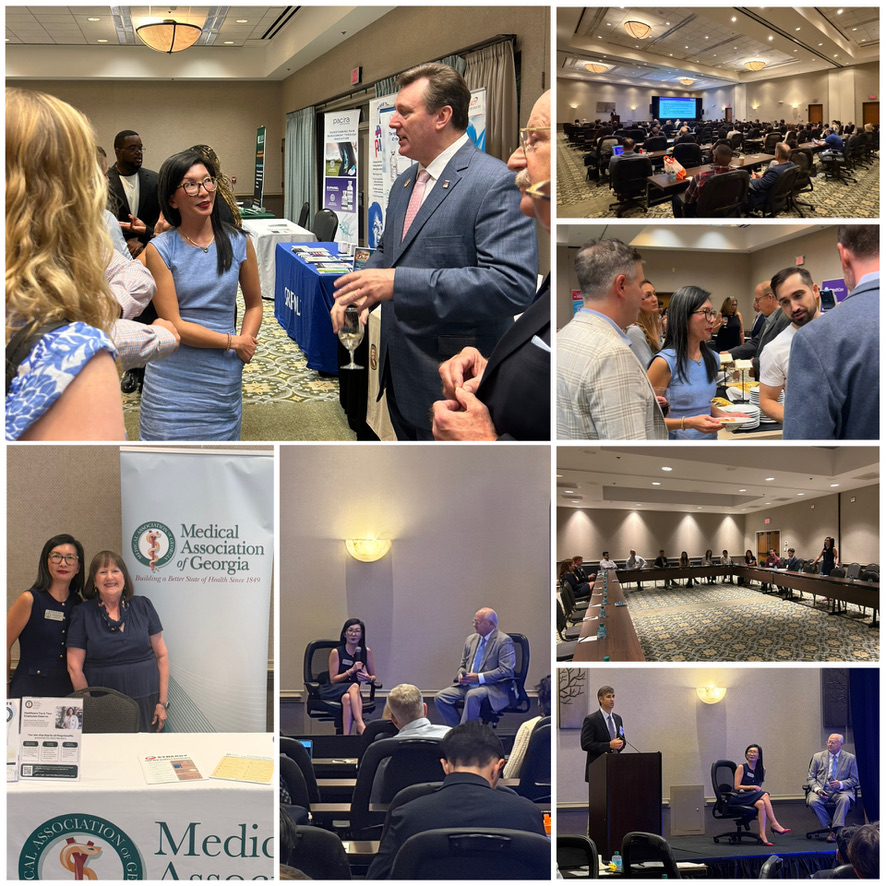
Loved spending time with colleagues at the Georgia Society of Anesthesiologists as we discussed health policy, patient safety, and the wins we notched in the past legislative session.
I was particularly pleased to update the group on new patient safety regulations around freestanding ketamine infusion clinics, and that a version of our bill prohibiting surprise medical billing of ground ambulance transports was signed into law by the governor this Spring. We will continue to work on other issues, including protecting the physician led team model, the gold standard of patient care and safety.
* * *
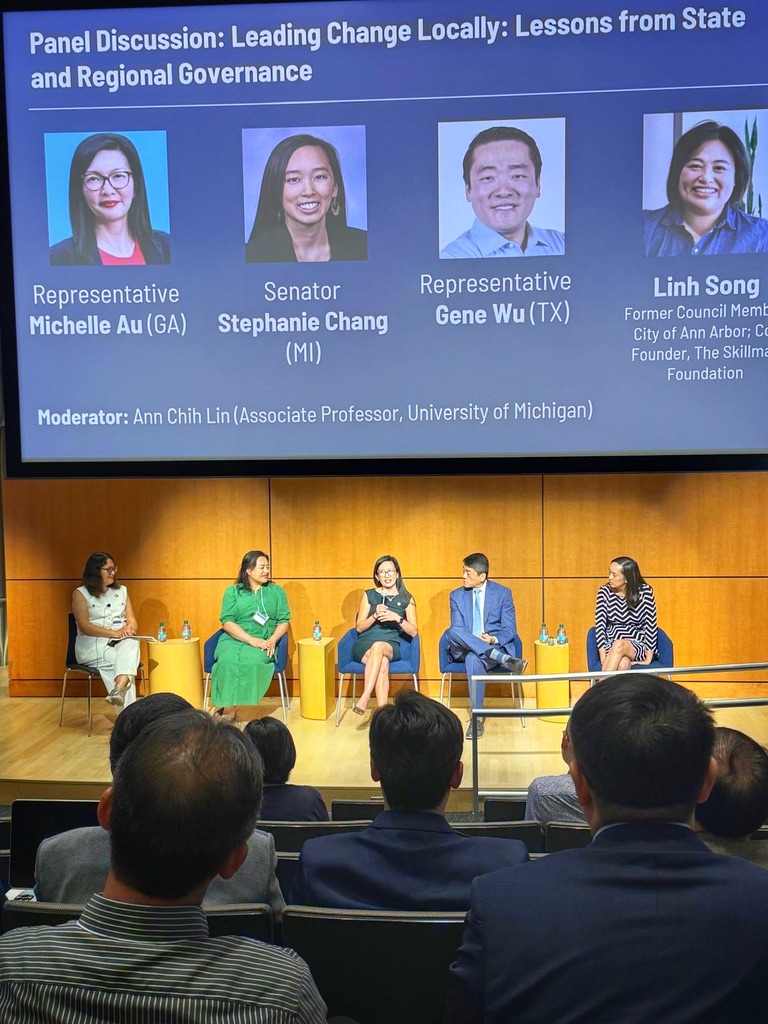
It has never been more important to pay attention to the work of state legislatures. Thank you as ever for your support so that we can keep doing this most important work together.
As always, please do not hesitate to reach out to our office should you need any assistance, or if you have any concerns you’d like me to address on your behalf.
It is my honor to be your voice in the Georgia House of Representatives.
In service,