
Friends,
This promises to be a busy week, with Crossover Day–the last day by which a bill can pass out of its originating chamber in order to be passed into law this year–coming up this Friday. Next week is also Qualifying Week, where local, state, and federal candidates will flock to the state Capitol to file their official paperwork to run for office or defend their seats in the upcoming election.
We have a lot to catch up on with respect to bills that have just passed through, and some major pieces of state legislation that we will be debating in the next few days.
No sense in wasting any time, let’s get into it!
ELIMINATION OF GEORGIA’S PROPERTY TAX
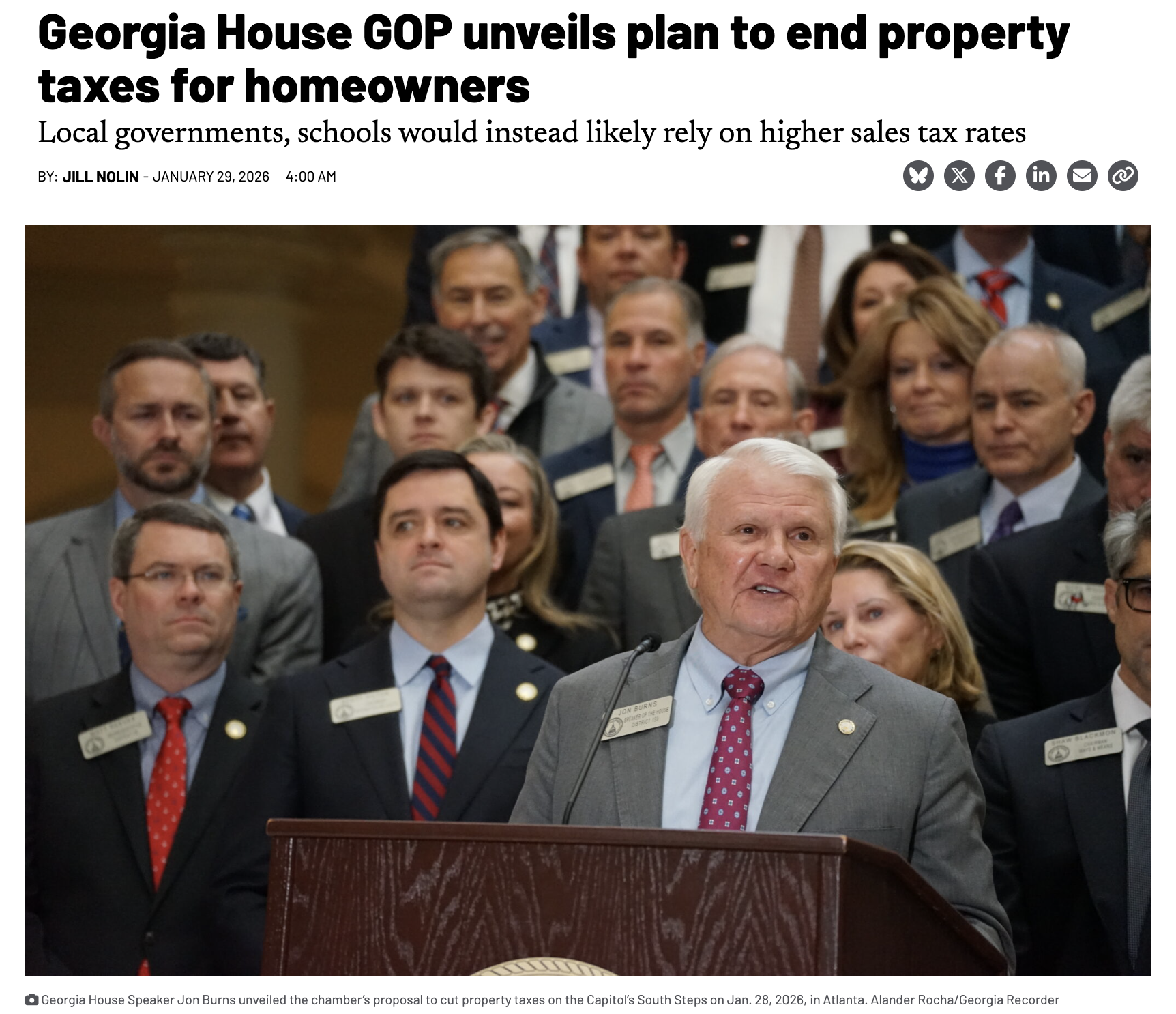
(Via Georgia Recorder, click here to read full article)
This session, the Georgia House Republicans’ key push is to phase out property taxes on primary residences by 2032 through a 100% homestead exemption. The plan, which would require passage of a constitutional amendment (and therefor a 2/3rds affirmative vote in both chambers), could save homeowners thousands annually on property tax fees, but would create upwards of a $5 billion funding gap for schools and local services, which would ultimately shifting the cost burden back to Georgians via higher sales taxes or new fees.
Before we talk about eliminating the property tax, we should consider what precisely it is that Georgia property taxes pay for.
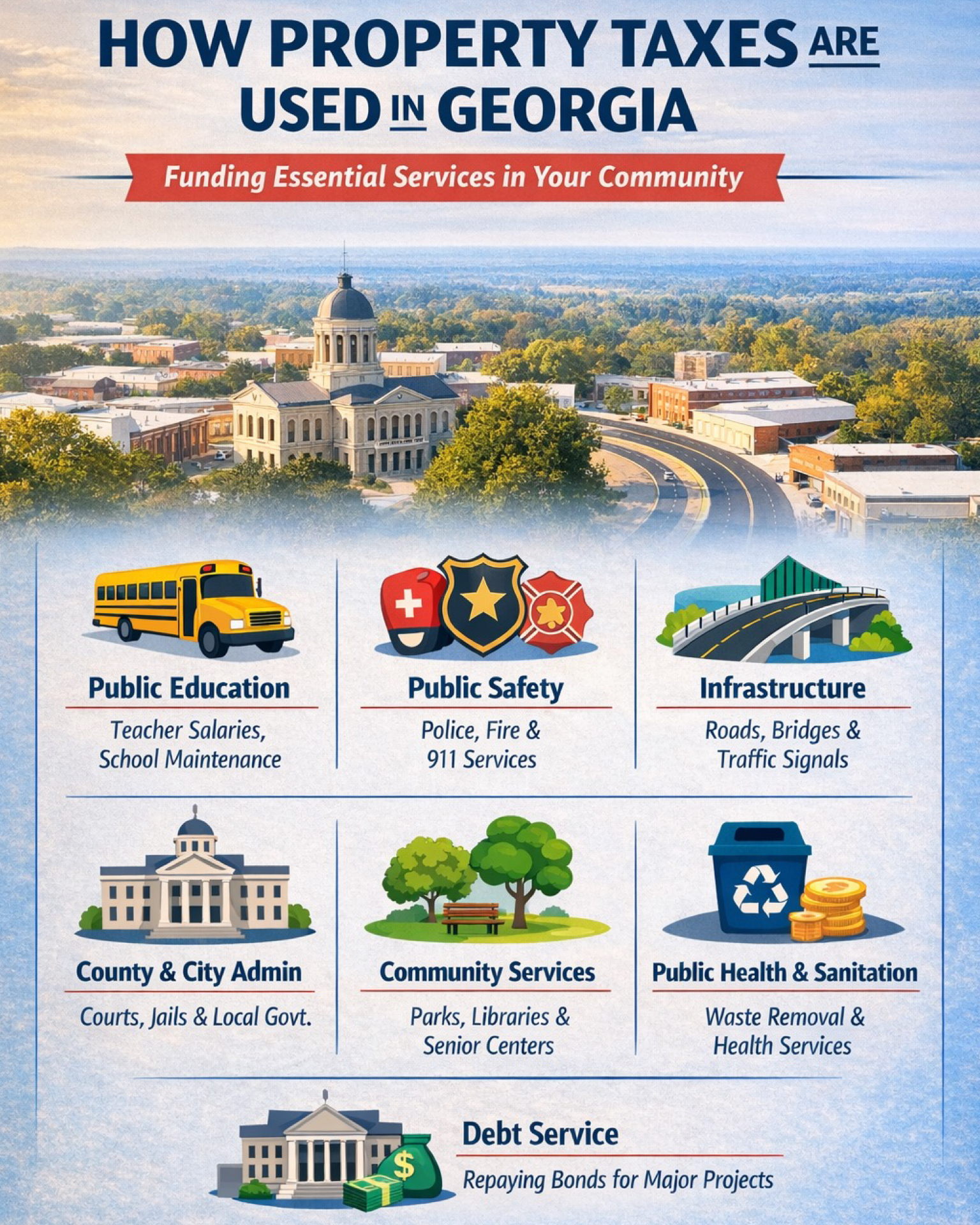
Georgia property taxes primarily fund local government services, with the largest portion typically supporting public schools, followed by county operations, police/fire protection, infrastructure (roads, bridges), and parks. These ad valorem taxes are calculated based on 40% of the fair market value of the property (though this can vary by county).
In deciding whether we should eliminate the state property tax, it is reasonable to first consider how we will cover such important expenses while eliminating this key source of revenue. The Association County Commissioners of Georgia (ACCG) estimates the total lost local revenues would be at least $5 billion. This means we’ll need to fund the money elsewhere, or else cut important services that we value.
One way to offset some of these losses would be for localities to raise their sales tax. However, there are limits to how high local officials can take their sales tax rate, with the limit still at 5% in addition to the state’s 4% rate. Note that Fulton County, where HD 50 sits, is already close to this max sales tax rate of 9%, which gives us less room to maneuver to make up for this revenue shortfall.
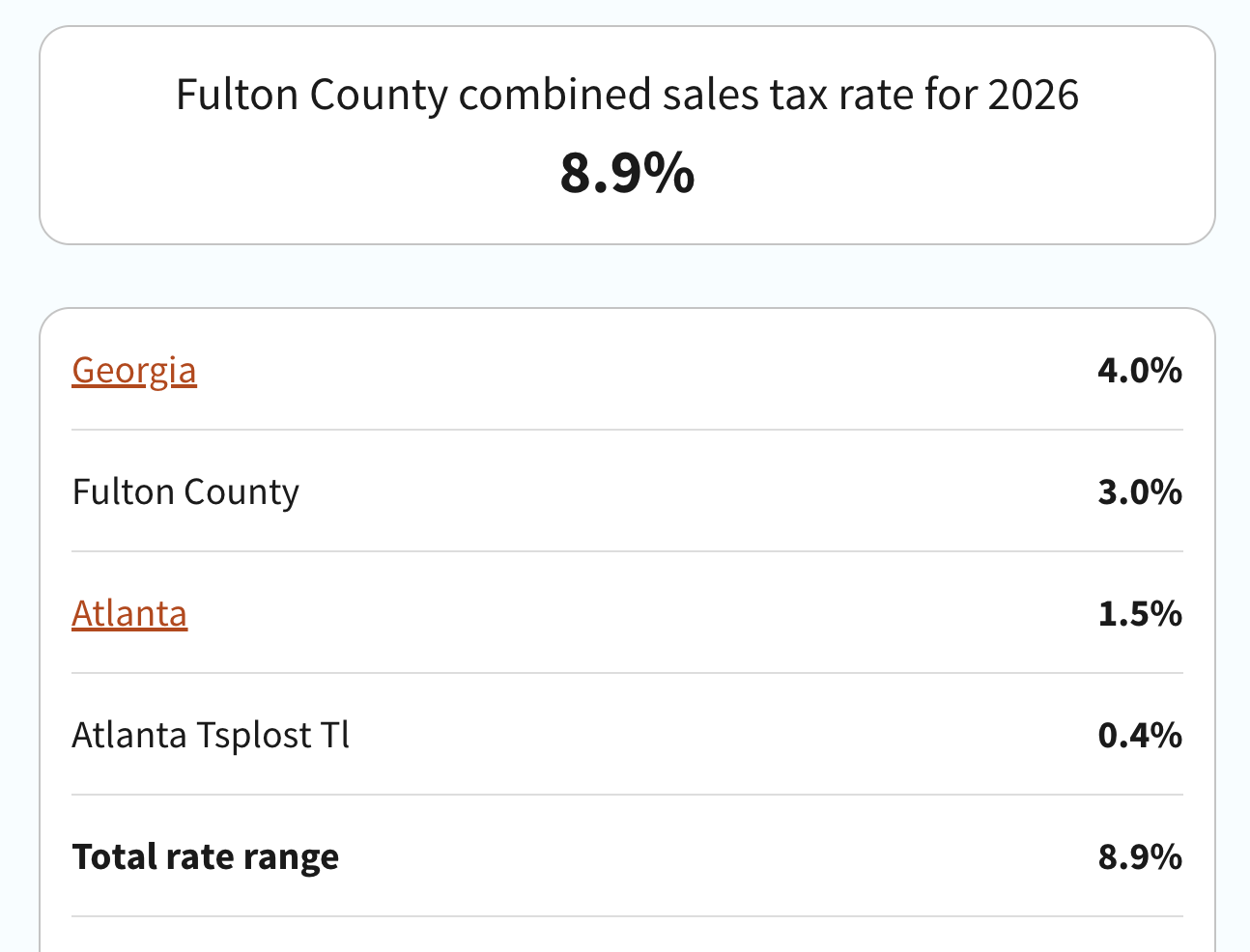
Further, sales taxes are regressive, in that they take a larger percentage of income from low-income households than from high-income households. All families need to buy taxable necessities like food, clothing, and household goods, but a flat sales tax rate means lower-income individuals must spend a greater share of their earnings on these necessities, leaving less for savings.
Finally, just to make a purely logical point, it seems strange to make the case that eliminating homeowners property tax is a way to deliver financial relief to Georgians when the compensatory solution is to raise their sales taxes. Note that not all Georgians can afford to be homeowners–this is particularly true among younger residents–but everyone needs to pay for goods and services.
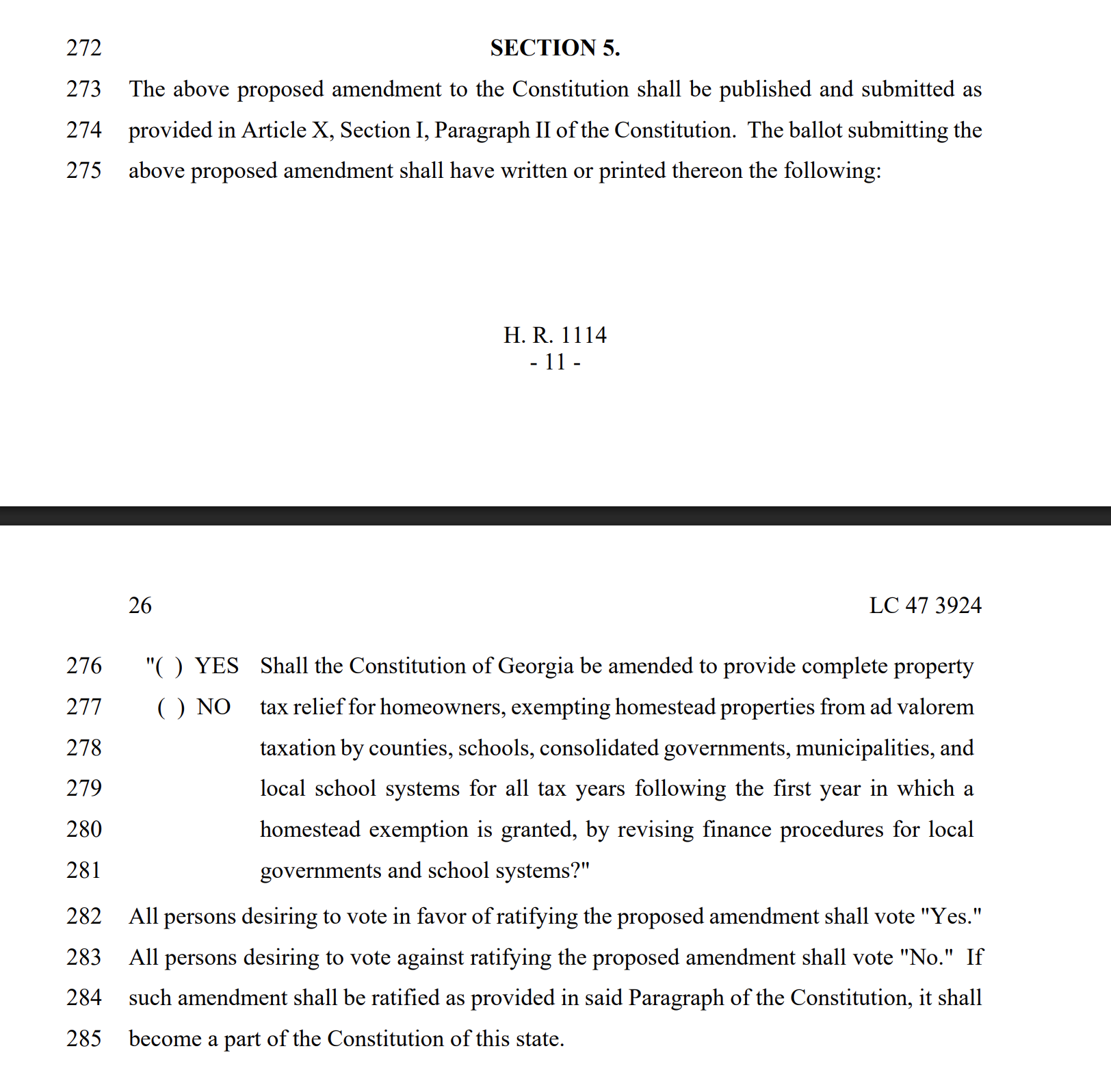
(Source: House Resolution 1114)
To eliminate the state property tax would require a constitutional amendment, which requires a 2/3rds vote in both chambers. (This is higher than the simple majority required for most legislation). Passage of the amendment resolution would place this issue on the ballot for the next general election in an even-numbered year.
A second bill, what we call the “enabling legislation,” would also need to pass out of both chambers. While the amendment itself changes the state’s fundamental law, the enabling legislation provides the practical “how-to” for its execution. Typically, enabling legislation requires only a simple majority to pass, though it must still be signed by the Governor, who could veto this but not the amendment itself.
The resolution proposing the constitutional amendment is HR 1114, and the enabling legislation is HB 1116. ALL INDICATIONS ARE THAT THESE PIECES OF LEGISLATION WILL HIT THE HOUSE FLOOR FOR A VOTE THIS WEEK. Please follow our social media for updates, and if you live in House District 50 reach out to my office with your input, either for or against. My most important job is to represent my district, and serve its best interests.
TEAM AU BILL TRACKER
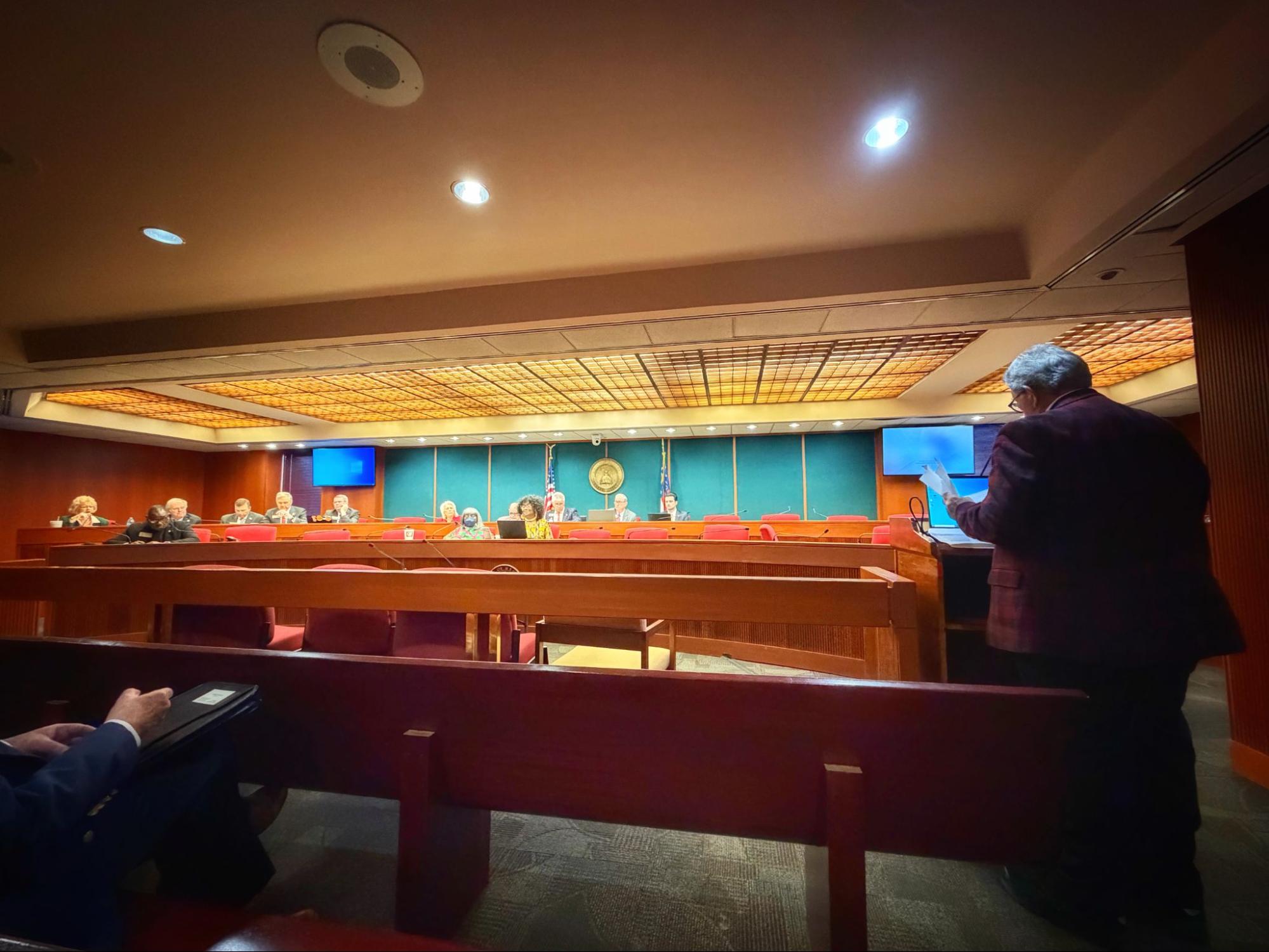
We’ve had quite a busy week as several pieces of priority legislation advanced out of committee and may soon be up for a floor vote. Let’s review them together.
The Non-Opioid Coverage Parity Act
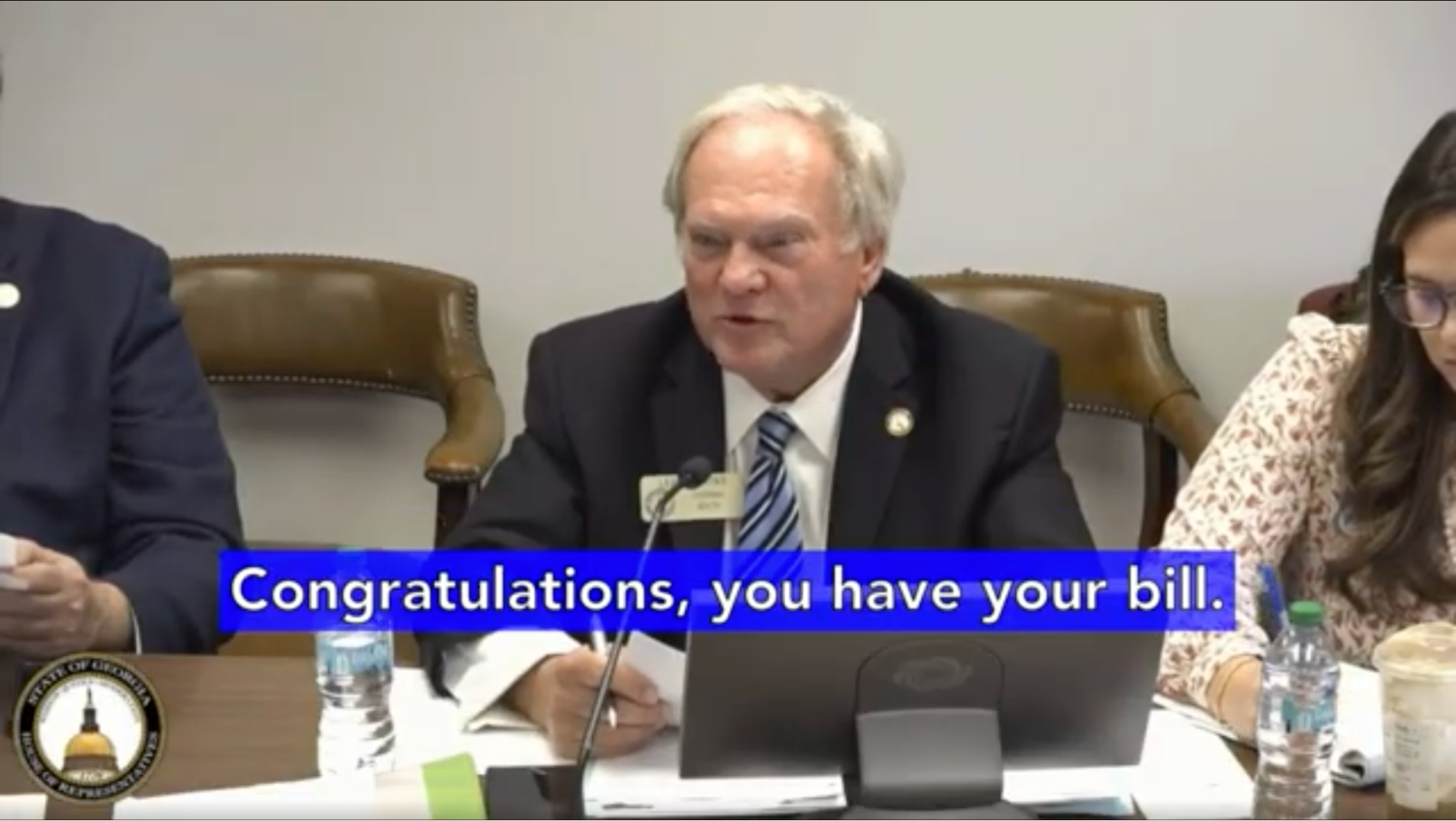
(Click here to watch full video of HB 326 committee vote)
HB 326, a bipartisan bill which would require that the State Health Benefit Plan cover established non-opioid based pain medications at rates no less favorable than they cover opioid-based pain meds, passed out of the House Health Committee and was presented in the Rules this week. (The Rules committee is the final committee that determines what bills will be debated and voted on the House floor.)
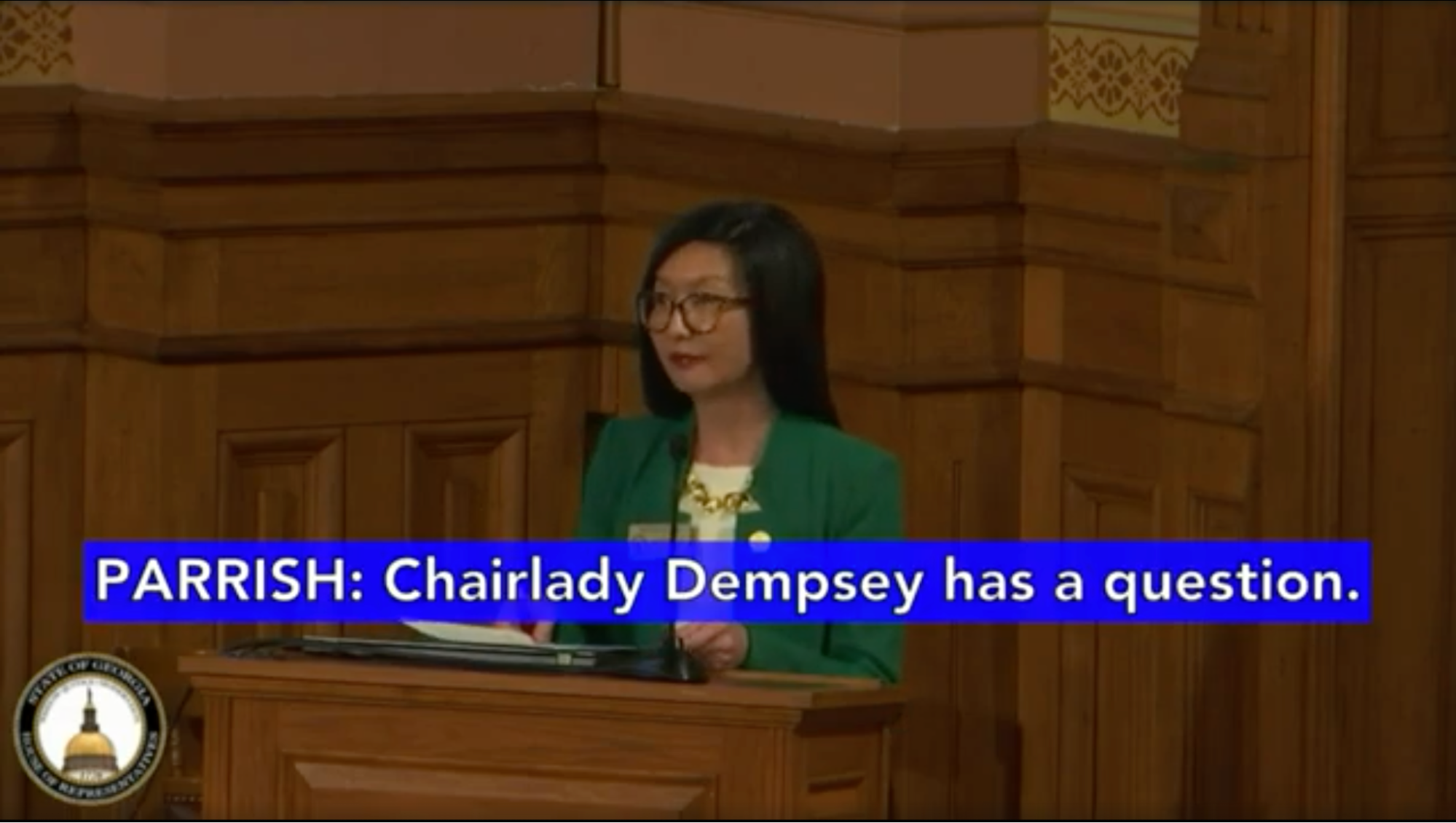
(Click here to watch HB 326 presentation in the House Rules Committee)
One line of questioning in Rules was whether HB 326 establishes a “mandate” for coverage parity of effective non-opioid based pain medications. My answer was yes. Mandating coverage parity for these alternate pain meds (most of which are frankly already covered and well-established) is the exact point of the bill. I do, however, recognize that for some this is a politically charged word, even if it means that same thing as a “requirement” or “shall.” Pointed semantics aside, is my hope that HB 326 will be placed on the Rules calendar this week and pass out of the House by Crossover Day.
The Surprise Medical Billing Consumer Protection Act
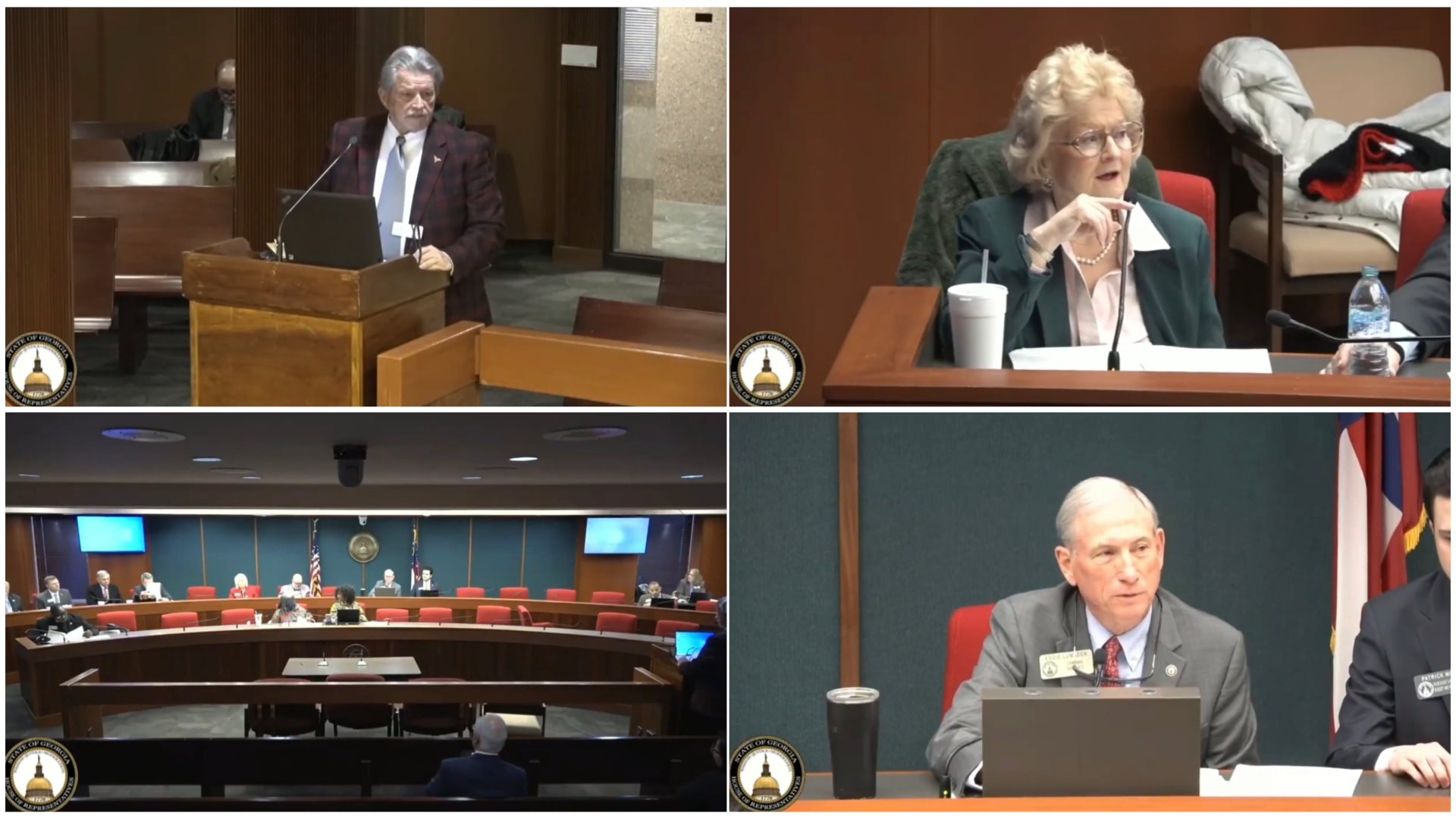
(Click here for link to watch the 2/24/2026 committee livestream)
Thrilled to announce that HB 961, The Surprise Medical Billing Consumer Protection Act (sponsored by our friend Rep. Alan Powell), passed unanimously out of the House Insurance committee on Tuesday 2/24!
This bill aims to protect patients from surprise medical bills resulting from ground ambulance transfers their insurance companies determine to be “out of network.” Read more about our work on this bill in our newsletter from January 25th.
Modernizing the Smokefree Air Act of 2005
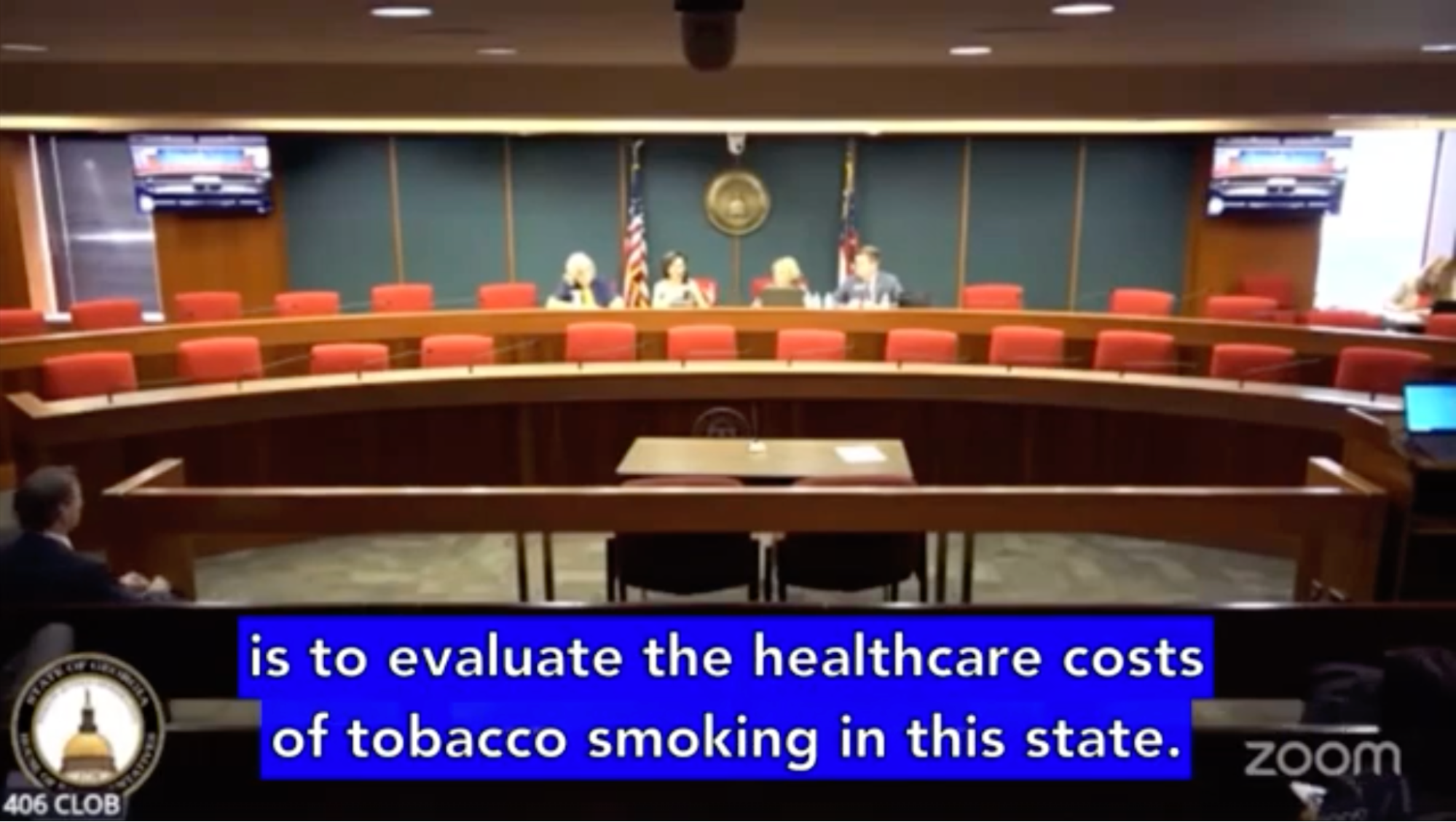
(Click here to watch opening remarks for the
House Study Committee on the Costs & Effects of Smoking)
We spent the summer studying the issue of the effects of smoking and vaping in this state, coming up with a list of key policy recommendations that we carried into this current session. One of those recommendations was to update some aspects of the Georgia Smokefree Air Act of 2005, which prohibits smoking and vaping in most enclosed public places, workplaces, and government buildings.
Some key provisions of this law include:
- Enclosed Areas: Smoking is banned in workplaces, public spaces, schools, and transportation.
- Restaurants & Bars: Allowed only if they are restricted to persons 18 or older.
- Ventilation Requirements: If smoking is permitted in a designated area, it must have an independent air handling system.
- Outdoor Areas: Smoking is allowed, but must be a “reasonable distance” from entrances, windows, and air intake systems.
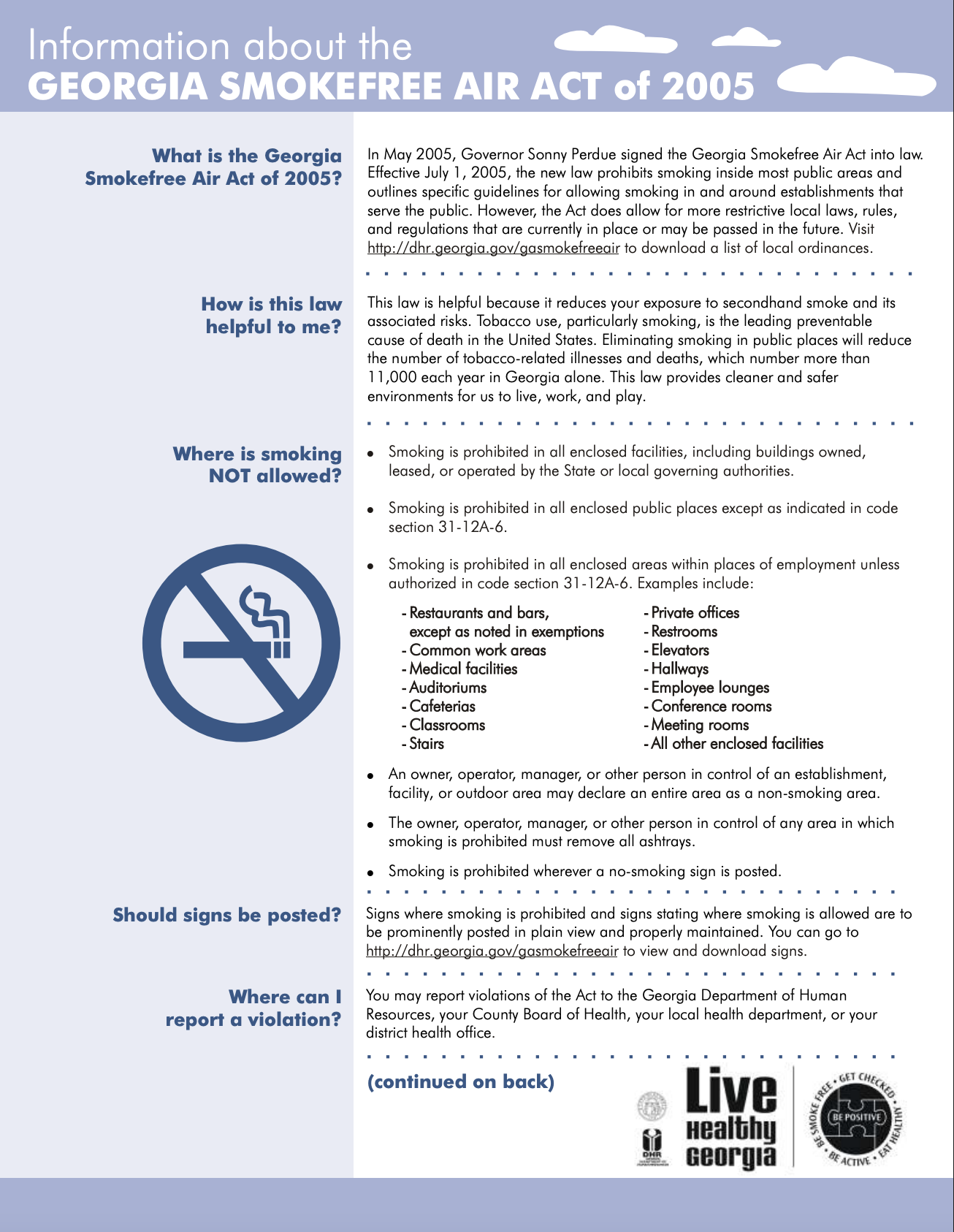
(Click here to read the Georgia Smokefree Air Act of 2005)
There remain, however, some notable exceptions, including exceptions for private and semi-private rooms in healthcare facilities, exceptions for private events in convention centers, and exceptions for workplace meeting rooms open to the public by invitation (e.g. legislative committee hearing rooms).
Those exceptions, which I think most people would find out of step with how we live and work today, is what my bipartisan bill HB 1040 aims to clean up.
Delighted to note that HB 1040 passed unanimously out of the House Public and Community Health committee this week, and will hopefully be up for consideration in the Rules committee soon. Stay tuned!
All committee livestreams, along with the final report, of the House Study Committee on the Costs & Effects of Smoking can be found here. You can also listen to or watch the field episode of our podcast THE GEORGIA DIAGNOSIS, which followed the study committee hearing focused on vaping.
Speaking of our podcast…
THE GEORGIA DIAGNOSIS

Available on Apple, Spotify, or YouTube
Team Au is in pre-production for Season 2 of our podcast THE GEORGIA DIAGNOSIS, and we want to hear from you!
Whose stories do you want to hear, and what fascinating voices would you love to have included? Fill out our podcast survey here. Thank you for listening to and sharing our first season, and for helping us make Season 2 even better!
Catch up on Season 1 of THE GEORGIA DIAGNOSIS on Apple, Spotify, or YouTube.
UPCOMING EVENTS
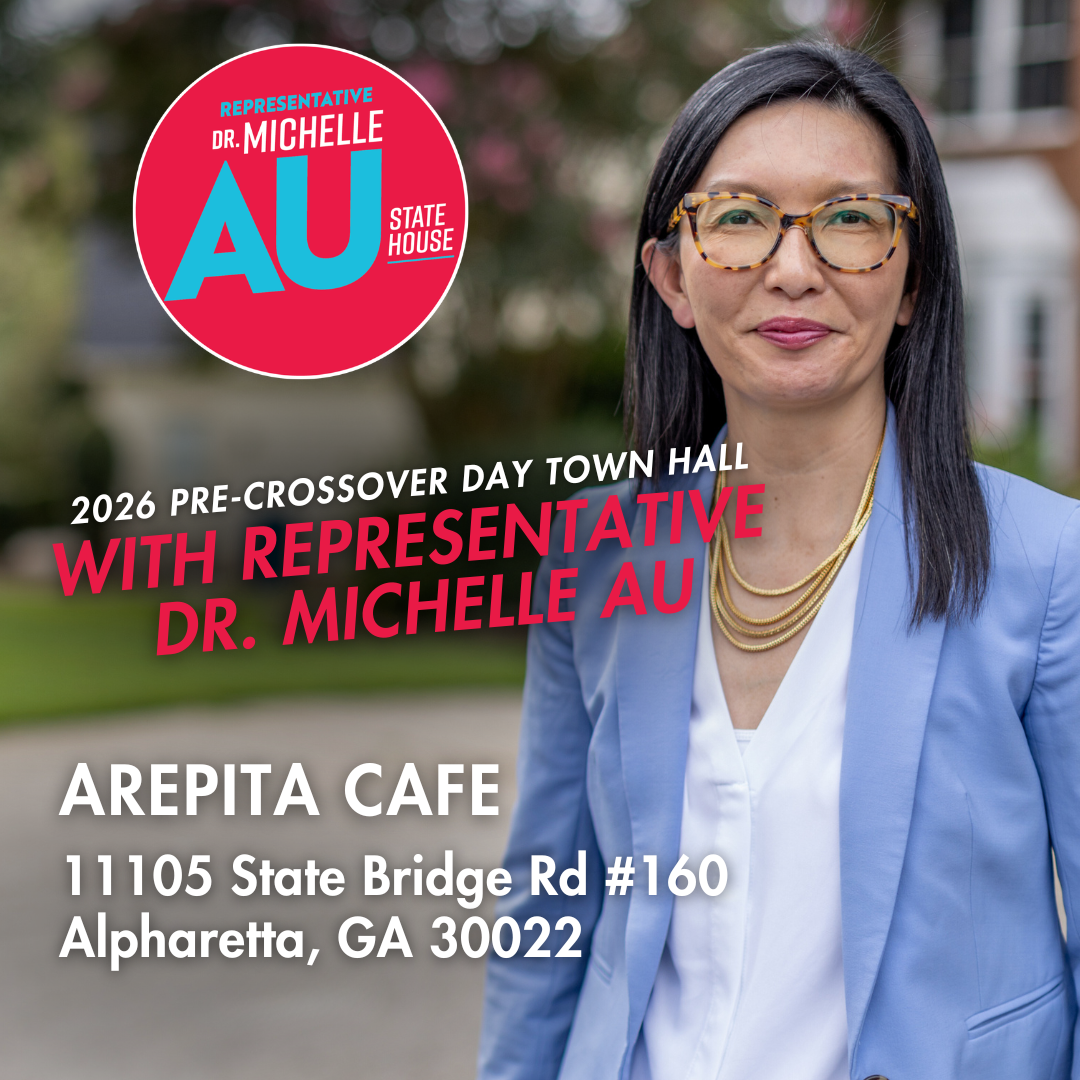
RSVP: bit.ly/Crossover26
Join me Sunday afternoon 3/1 at Arepita Cafe for our annual Pre-Crossover Town Hall, where we’ll discuss the state of play right before one of the most critical milestones in the legislative session!
We’ll talk about what bills are still live, what is still up to be considered, and what you can do to support good legislation or prevent bad bills from passing. We make it a point to present sound, practical information, and your input makes a difference!
Sunday, March 1st, 2026, 4PM
Arepita Cafe
11105 State Bridge Road
Alpharetta, GA 30022
We will also be livestreaming the town hall from our Facebook page, please share and follow along if you can’t be there in person (though I do recommend in person–because of the excellent food, Arepita Cafe is one of our most popular Town Hall locations!)
TEAM AU IN ACTION
Georgia Academy of Nutrition and Dietetics
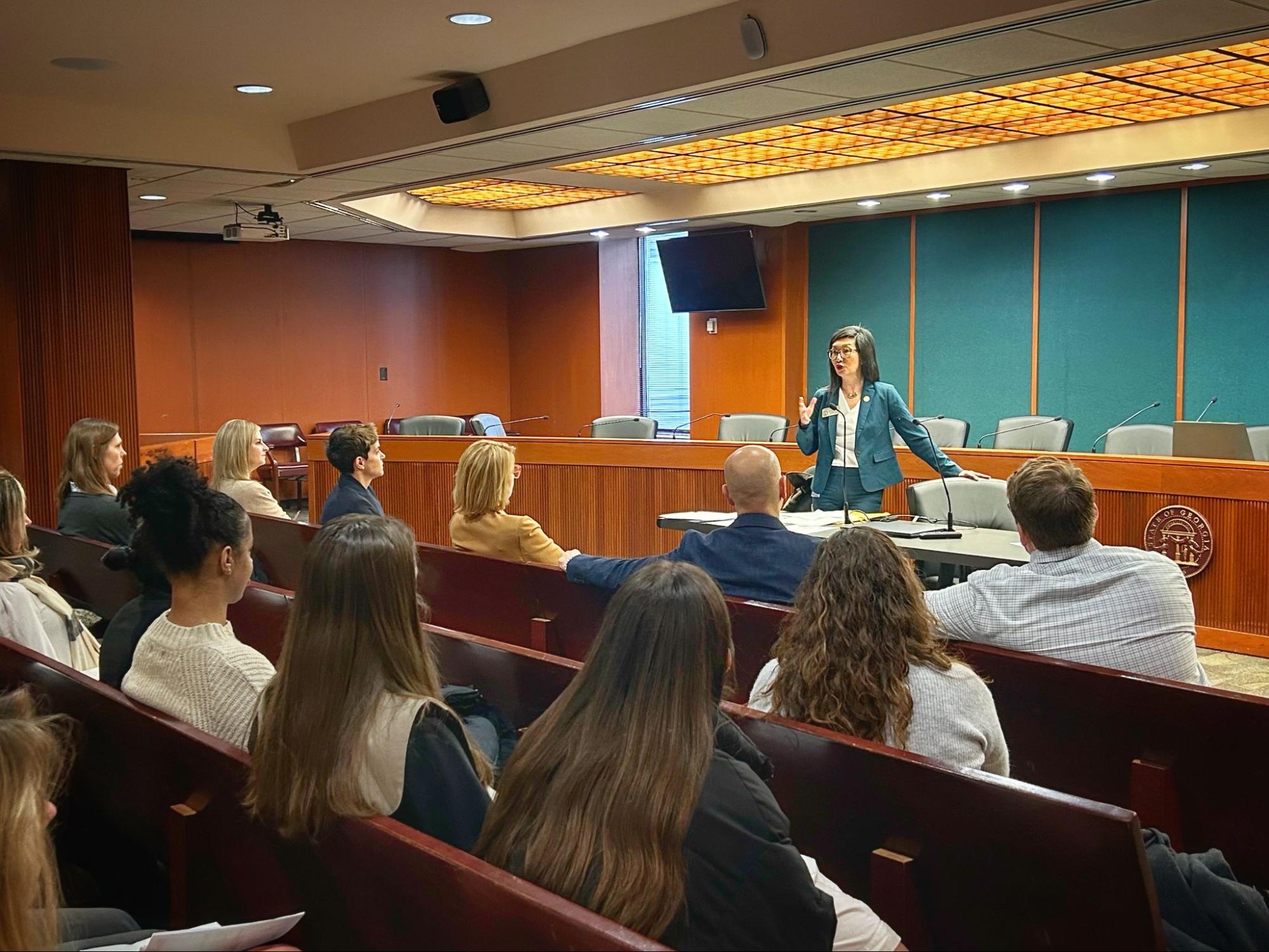
A pleasure to meet with the Georgia Academy of Nutrition and Dietetics at their annual Day at the Capitol this past week!
Diet and nutrition is such a key part of health and healing after illness or surgery. Our certified nutritionists and dieticians are key partners in the healthcare space, and we appreciate all you do for our patients!
Morehouse School of Medicine
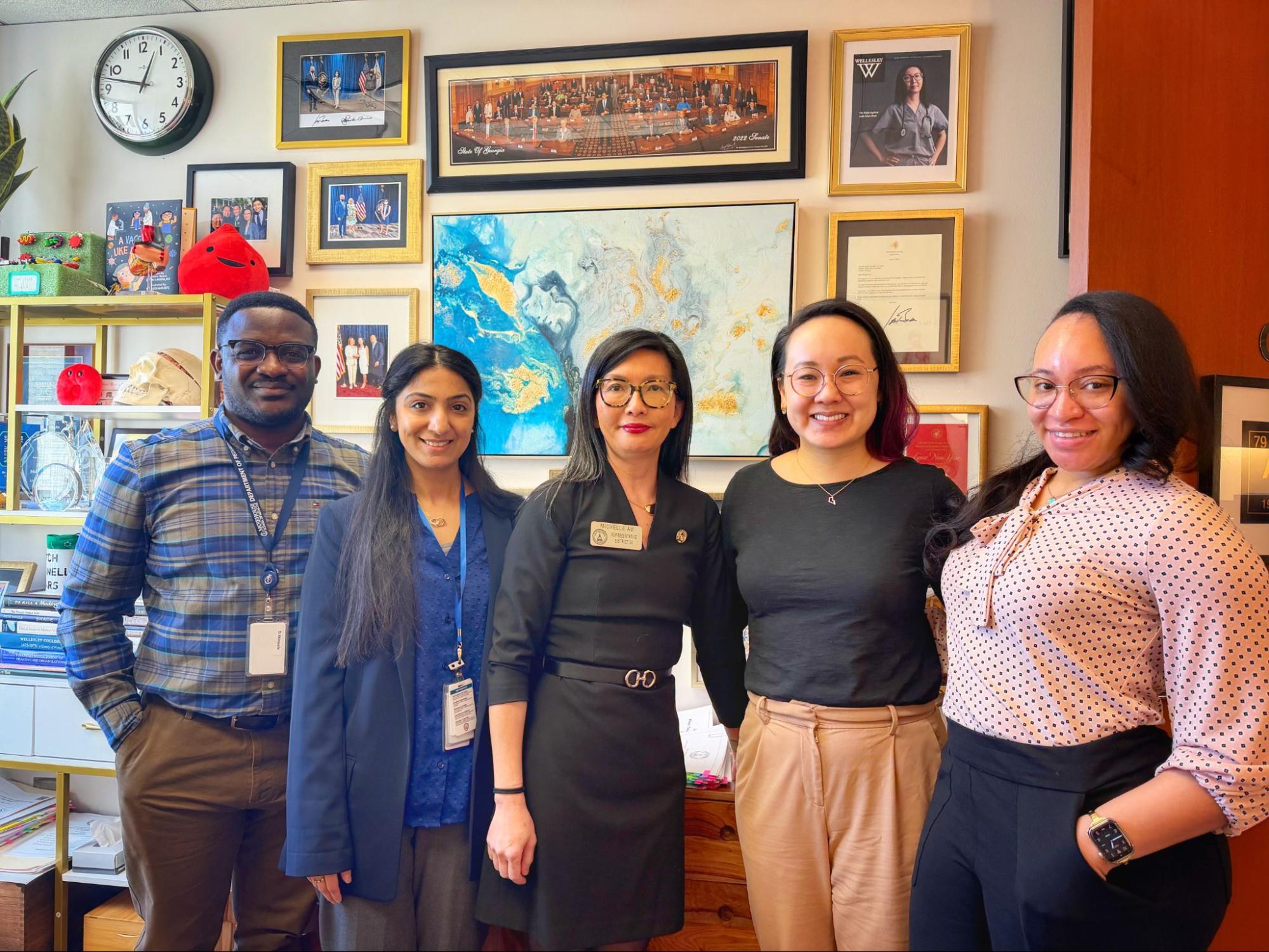
We love meeting with residents with the Morehouse School of Medicine, and luckily we get a chance to at least a few times per session as they move through their Health Policy rotation!
We discussed opioid risk mitigation, surprise medical billing, and (of course, because most were Pediatrics residents) our safe storage bill, HB 1. Proud of all the good they are doing, and hope we can retain them to stay and practice in Georgia!
Student Leadership North
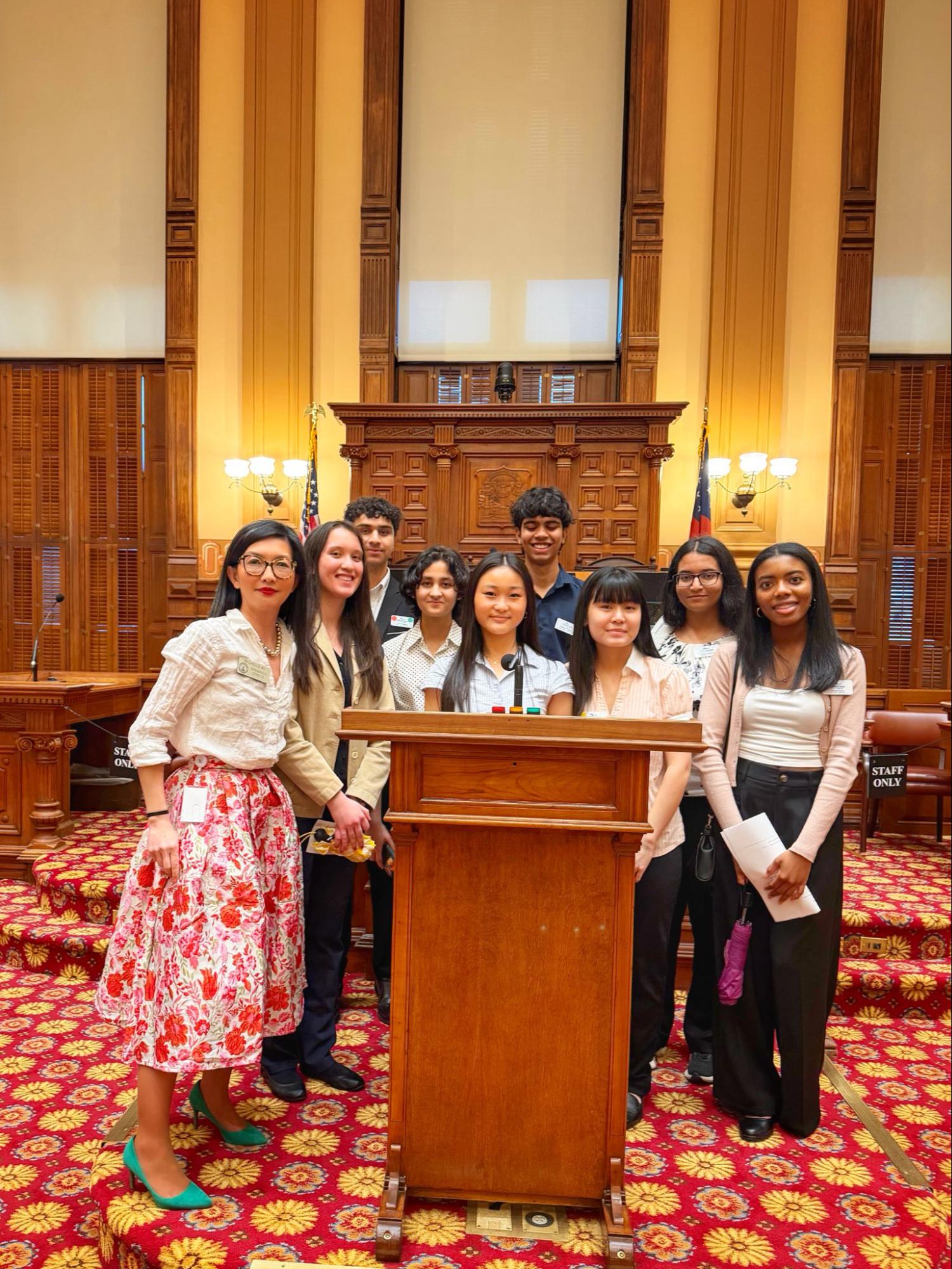
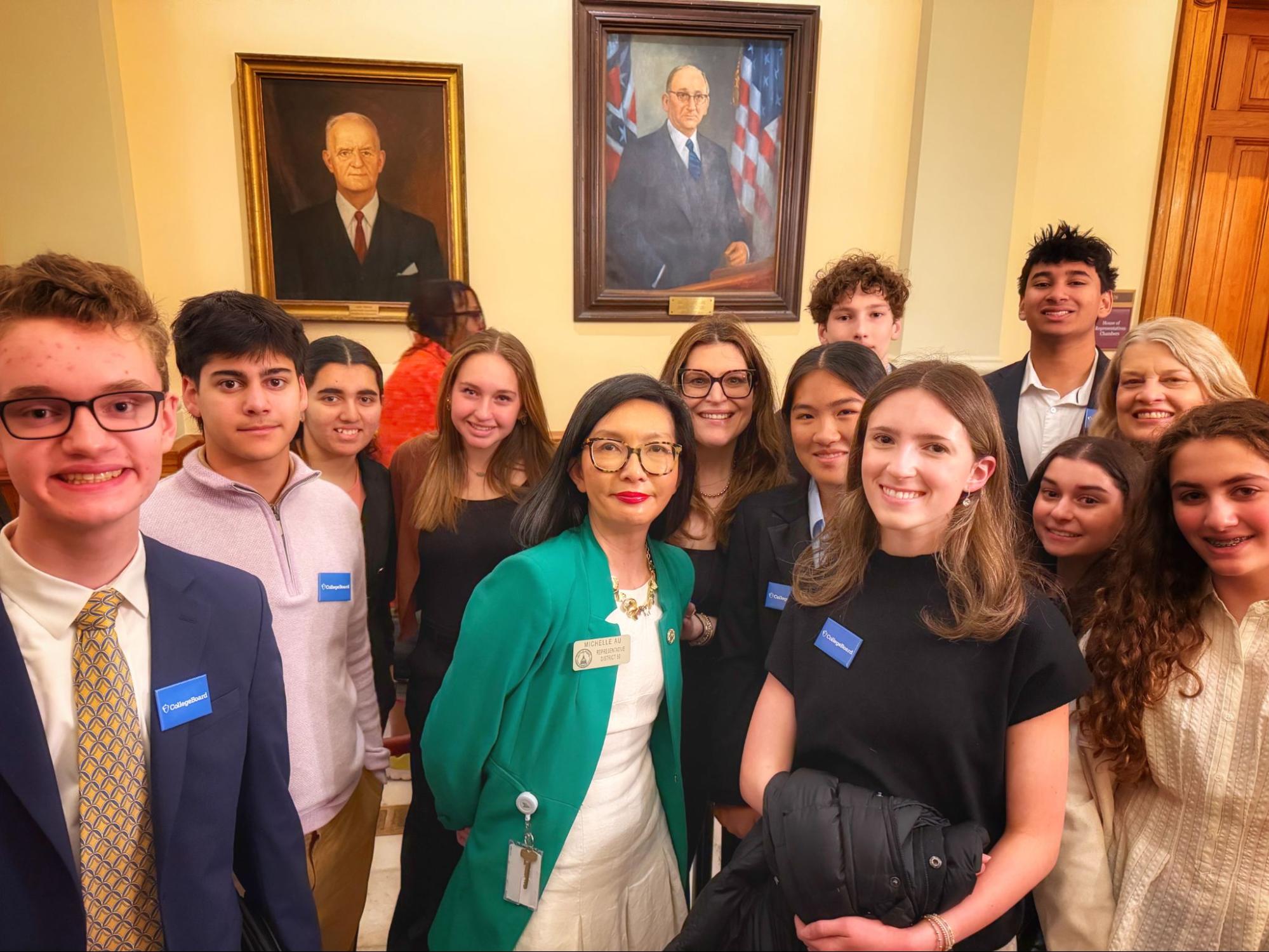
Student mentorship is an important part of the mission of Team Au, and we are always happy to receive a visit from out friends with Student Leadership North (former Student Leadership Johns Creek), one of the preeminent high school civic engagement organizations in North Fulton!
Their faculty advisor Irene Sanders does an exceptional job recruiting, guiding, and providing opportunities for this next generation of Georgia’s leaders. If we can ever be a resource, or if any students ever want to come spend time work with my office, please do not hesitate to contact us!
National Association of Chinese Americans
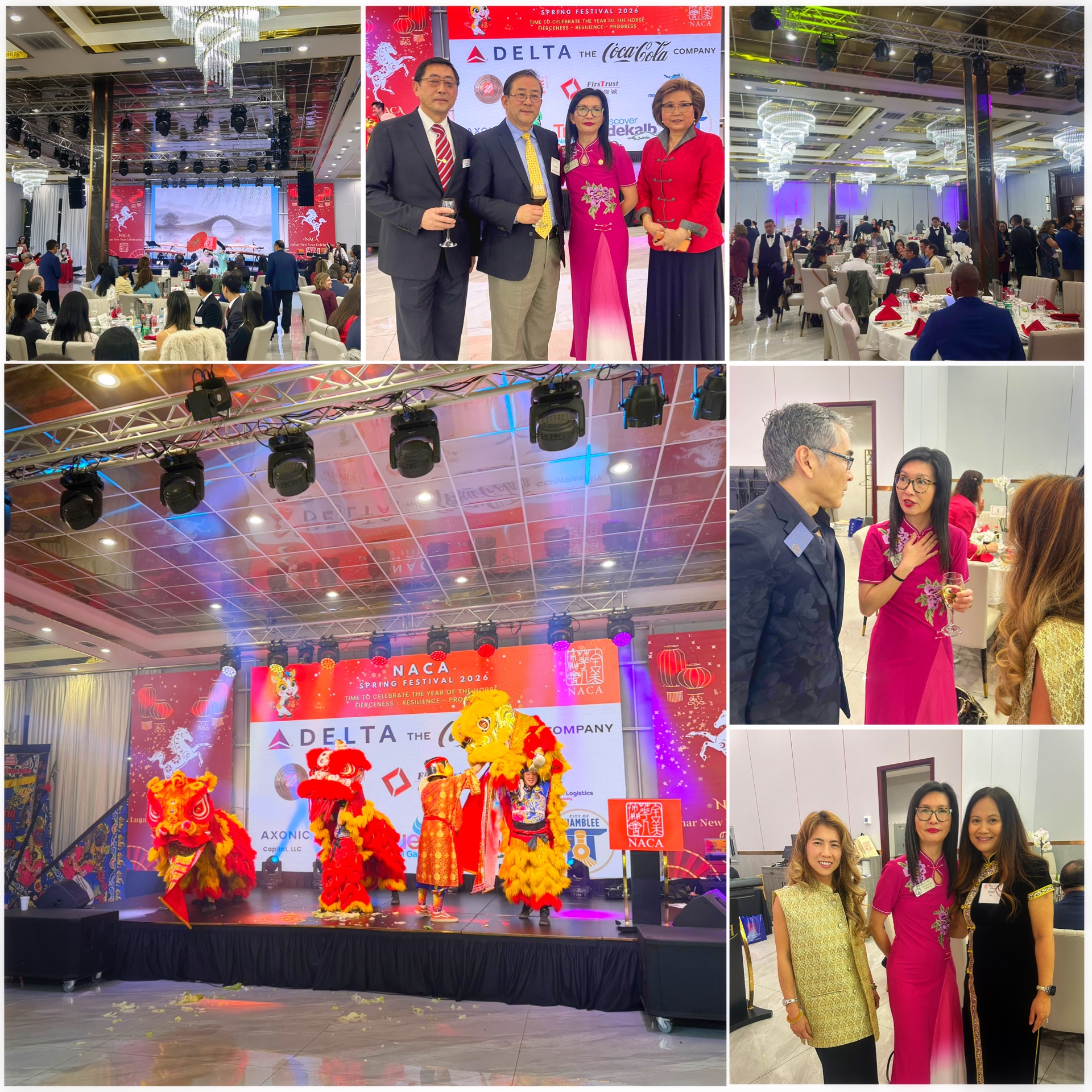
Every year we look forward to attending the Lunar New Year celebration with our friends from the National Association of Chinese Americans (NACA)! The year of the Fire Horse seems particularly auspicious as we ring in a season of intense, volatile, and transformative energy. It’s just what we need on Georgia politics, and I’m here for it!
Thank you as always to NACA and Chair Lani Wong for your longtime support! Onward, and Happy New Year!
* * *
It has never been more important to pay attention to the work of state legislatures. Thank you as ever for your support so that we can keep doing this most important work together.
As always, please do not hesitate to reach out to our office should you need any assistance, or if you have any concerns you’d like me to address on your behalf.
It is my honor to be your voice in the Georgia House of Representatives.
In service,